
Most people glance at food labels and focus only on calories or sugar. But when it comes to building a healthy diet, understanding protein on food labels can make a major difference.
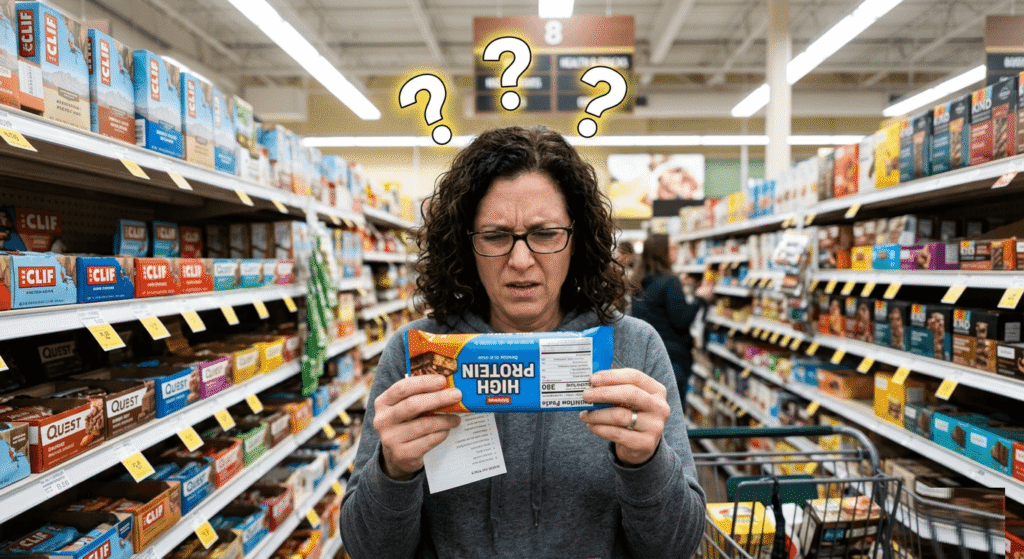
The problem is not that protein information is missing. It is that many people do not know how to interpret it correctly. As a result, they may overestimate how much protein they are actually getting or choose foods that appear healthy but are not.
So how do you read protein on food labels the right way? And how can you use that information to choose genuinely high-protein foods?
How to Read Protein on Food Labels and Make Smarter Choices
Understanding how to read protein on food labels starts with knowing what the numbers actually represent and how they fit into your overall diet.
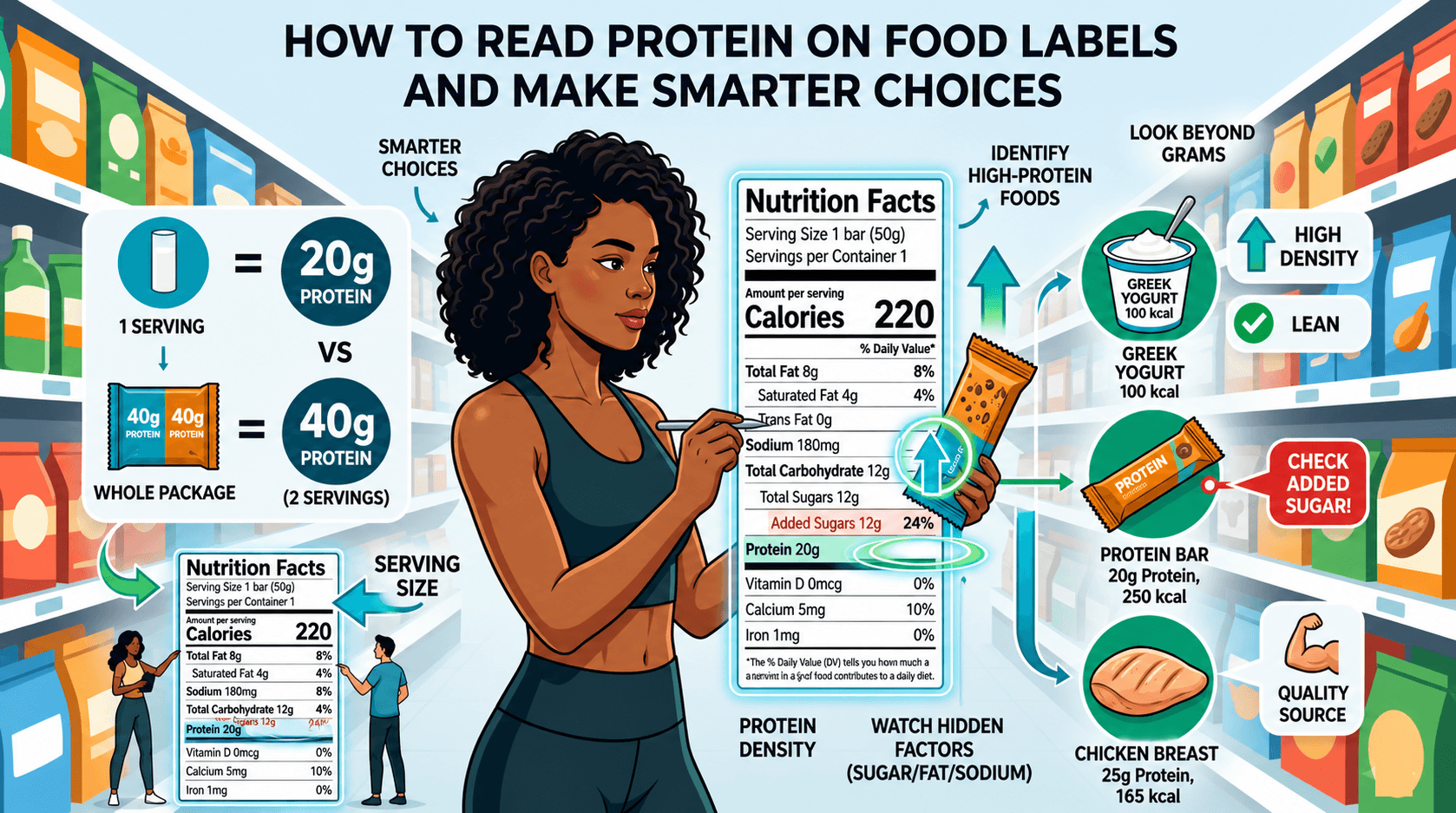
What “Protein” Means on a Nutrition Label
On most packaged foods, protein is listed in grams per serving.
This value tells you:
- How much protein is in one serving of the product
- Not necessarily the entire package
For example:
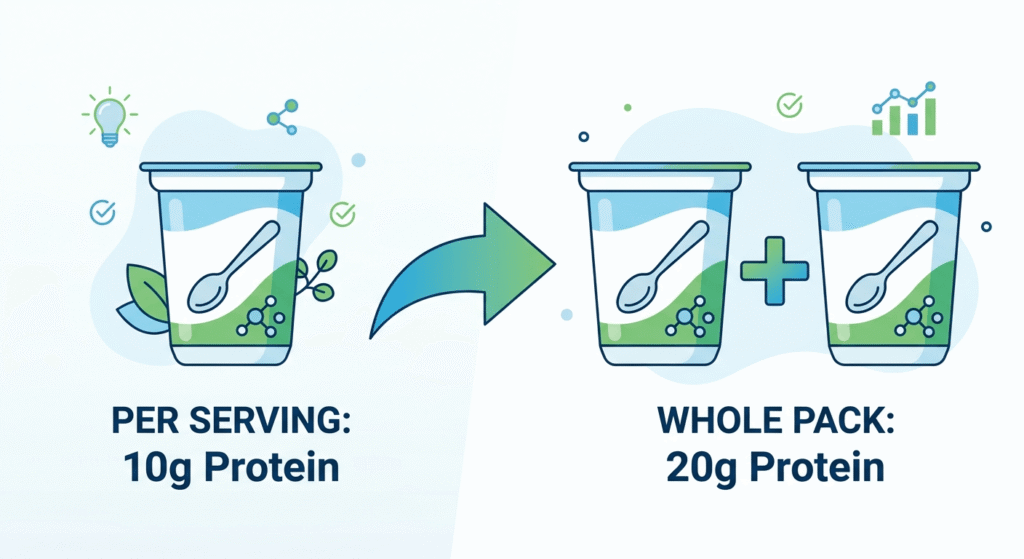
- If a label shows 10 grams of protein per serving
- And the package contains two servings
- You are actually consuming 20 grams if you eat the whole product
According to nutrition guidance, misinterpreting serving sizes is one of the most common mistakes consumers make.
Understanding Serving Size Is Critical
Serving size is the foundation of all nutrition label data.
Key points:
- It standardizes nutritional information
- It may not reflect how much you actually eat
- Larger portions mean higher total protein intake
Ignoring serving size can lead to:
- Underestimating calories
- Misjudging protein intake
How Much Protein Do You Actually Need?
Protein requirements vary depending on several factors.
General Guidelines
- Average adults: 0.8 grams per kilogram of body weight
- Active individuals: Higher intake may be beneficial
- Older adults: May require more protein to maintain muscle mass
Example Calculation
- A person weighing 70 kg may need about 56 grams of protein per day
According to health experts, individual needs can vary based on lifestyle and health conditions.
Identifying High-Protein Foods on Labels
Not all foods labeled as “high protein” truly provide significant value.
What Counts as High Protein?
A food is often considered high in protein if:
- It provides 10 grams or more per serving
- Or a substantial percentage of daily protein needs
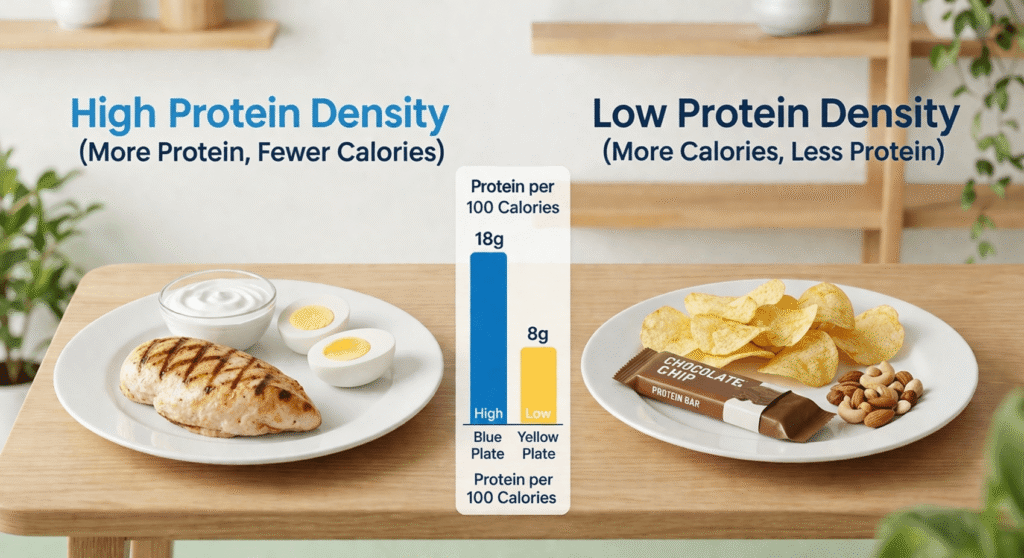
Protein Density Matters More Than Total Protein
Protein density refers to how much protein you get relative to calories.
High Protein Density Foods
- Lean meats
- Eggs
- Greek yogurt
- Legumes
Low Protein Density Foods
- Processed snacks with added protein
- Sugary protein bars
A food with high protein but excessive calories may not support your goals effectively.
Hidden Factors on Labels You Should Not Ignore
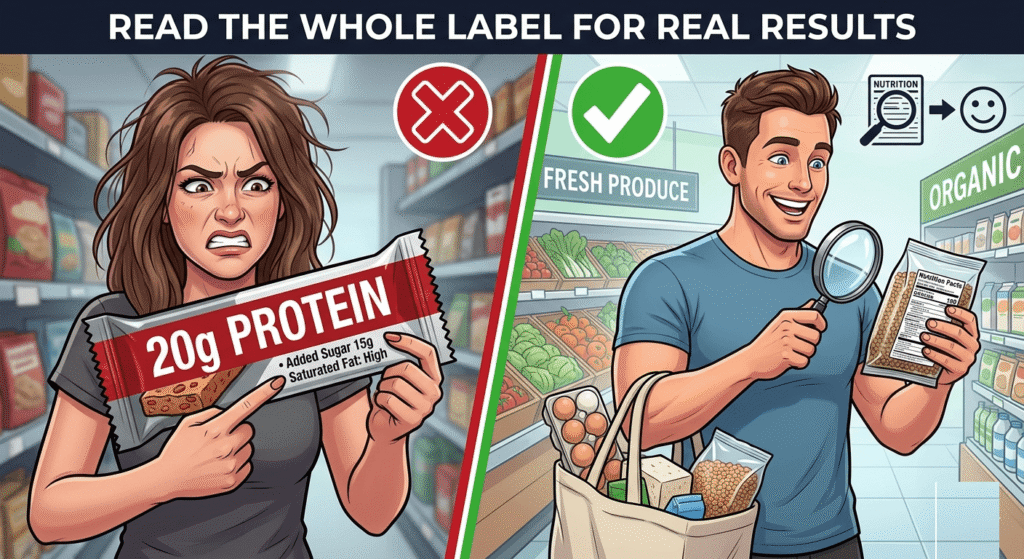
Focusing only on protein grams can be misleading.
1. Added Sugars
Some products marketed as high-protein contain significant added sugar.
This can:
- Increase calorie intake
- Reduce overall nutritional value
2. Saturated Fat and Sodium
High-protein foods may also contain:
- High levels of saturated fat
- Excess sodium
According to dietary recommendations, balancing protein with other nutrients is essential for long-term health.
3. Ingredient Quality
The source of protein matters.
Better options include:
- Whole food ingredients
- Minimal processing
Less ideal options:
- Artificial additives
- Highly processed protein isolates
Comparing Protein Labels: A Practical Table
| Food Item | Protein per Serving | Calories | Key Insight |
| Greek yogurt | 15g | 100 kcal | High protein, low calorie |
| Protein bar | 20g | 250 kcal | May contain added sugars |
| Chicken breast | 25g | 165 kcal | High-quality protein |
| Nuts | 6g | 180 kcal | Healthy but calorie-dense |
This comparison highlights why reading beyond just protein grams is important.
Common Mistakes When Reading Protein Labels
1. Ignoring Serving Size
Leads to inaccurate protein calculations.
2. Focusing Only on Protein Numbers
Ignores overall nutritional balance.
3. Assuming “High Protein” Means Healthy
Marketing claims can be misleading.
4. Overlooking Total Calories
High protein foods does not always mean low calorie.
How to Choose High-Protein Foods the Right Way
To make better decisions, apply a structured approach.
Step-by-Step Checklist
- Check protein grams per serving
- Verify serving size
- Compare calories to protein ratio
- Review ingredient list
- Look for added sugars and sodium
Practical Shopping Strategy
- Choose whole foods whenever possible
- Use packaged foods as supplements, not staples
- Compare multiple brands before buying
Why Protein Label Awareness Matters More Today
Modern diets include more processed and packaged foods than ever before.
This increases the importance of:
- Reading labels carefully
- Understanding nutrient composition
- Making informed decisions
From a research perspective, improving label literacy can help:
- Prevent overeating
- Support weight management
- Improve overall nutrition
Future Trends in Food Label Transparency
Nutrition labeling is evolving to become more consumer-friendly.
Emerging trends include:
- Clearer front-of-pack labeling
- Simplified nutrient scoring systems
- Increased focus on protein quality
Reports suggest that improved labeling systems may help consumers make healthier choices more easily.
Practical Daily Approach to Managing Protein Intake
Daily Habits
- Include a protein source in every meal
- Monitor portion sizes
- Balance protein with carbohydrates and fats
Weekly Strategy
- Plan meals in advance
- Track protein intake periodically
- Adjust based on activity level
Final Perspective: Reading Labels Is a Skill, Not a Habit
Understanding protein on food labels is not just about numbers. It is about interpreting information in context.
When used correctly, food labels become powerful tools that guide smarter dietary choices. Instead of relying on marketing claims, focusing on actual nutritional data allows you to build a more balanced and effective eating plan.