

Dietary supplements have become a daily habit for millions of people worldwide. From multivitamins to protein powders and herbal capsules, the industry is experiencing rapid growth as more individuals look for quick ways to improve health, boost immunity, and enhance performance.
But here is the critical issue. While supplements can support nutrition, many people are using them incorrectly, often without understanding their actual purpose or limitations.
So, are dietary supplements truly beneficial, or are they being overused and misunderstood? Let’s explore the science, the risks, and the right way to use them.

Understanding Dietary Supplements and Their Role in Nutrition
Dietary supplements are products designed to add nutrients to your diet. They come in various forms, including:
- Tablets and capsules
- Powders and drinks
- Liquids and gummies
What Do Dietary Supplements Contain?
Most supplements include one or more of the following:
- Vitamins such as vitamin D or vitamin B12
- Minerals like calcium, iron, and magnesium
- Amino acids and proteins
- Herbal extracts and plant compounds
According to nutrition research, supplements are intended to complement, not replace, a healthy diet.

Why Supplements Are Trending in 2026
The surge in supplement use is driven by several factors:
- Increased focus on preventive health
- Busy lifestyles that limit balanced eating
- Influence of fitness and wellness trends
However, experts caution that convenience often leads to overuse or misuse.
Science-Backed Benefits of Dietary Supplements
When used appropriately, dietary supplements can offer measurable benefits.
1. Filling Nutritional Gaps
Some individuals struggle to meet nutrient needs through food alone.
Supplements can help:
- Address deficiencies such as vitamin D or iron
- Support individuals with restricted diets

2. Supporting Specific Health Needs
Certain groups may benefit more from supplementation:
- Older adults
- Pregnant individuals
- People with medical conditions
In these cases, supplements can play a targeted role in maintaining health.
3. Enhancing Performance and Recovery
In fitness contexts, supplements like protein powders may:
- Support muscle recovery
- Help meet increased protein requirements
However, their effectiveness depends on proper usage and overall diet.
Common Mistakes People Make With Dietary Supplements
Despite their benefits, misuse is widespread.
1. Taking Supplements Without a Deficiency
Many people consume supplements unnecessarily.
This can lead to:
- Wasted money
- Potential health risks
2. Assuming More Is Better
Excess intake of certain nutrients can be harmful.
Examples include:
- Too much vitamin A or iron
- High doses of fat-soluble vitamins
3. Replacing Whole Foods
Supplements do not provide the full range of nutrients found in whole foods.
Whole foods contain:
- Fiber
- Phytochemicals
- Complex nutrient interactions
4. Ignoring Product Quality
Not all supplements are created equal.
Some may contain:
- Added sugars or fillers
- Inaccurate ingredient labeling

Risks and Side Effects You Should Know
While generally safe when used correctly, dietary supplements can pose risks.
Potential Risks
- Nutrient toxicity from excessive intake
- Interactions with medications
- Digestive discomfort
Health experts emphasize that supplements are not risk-free and should be used carefully.
Who Should Be Cautious?
Certain individuals should consult a professional before using supplements:
- People with chronic illnesses
- Those taking prescription medications
- Pregnant or breastfeeding individuals
Types of Dietary Supplements and Their Uses
| Type | Purpose | Common Use Case |
| Multivitamins | General nutrition | Daily support |
| Vitamin D | Bone health | Low sun exposure |
| Protein supplements | Muscle support | Fitness and recovery |
| Omega-3 fatty acids | Heart health | Low fish intake |
| Herbal supplements | Various benefits | Stress, immunity |
Each type serves a different purpose, and effectiveness varies depending on individual needs.
How to Use Dietary Supplements Safely
Using supplements correctly is essential for achieving benefits without risks.
1. Assess Your Needs First
Determine whether you actually need supplementation.
Focus on:
- Dietary habits
- Lifestyle factors
- Medical conditions
2. Prioritize Whole Foods
Whole foods should always be the foundation of your diet.
Supplements should only fill gaps, not replace meals.
3. Follow Recommended Dosages
Avoid exceeding recommended intake levels.
More is not always better.
4. Choose High-Quality Products
Look for:
- Transparent labeling
- Minimal additives
- Reputable brands
5. Consult a Healthcare Professional
Professional guidance ensures safe and effective use.
Dietary Supplements vs Whole Foods
| Factor | Supplements | Whole Foods |
| Nutrient complexity | Limited | High |
| Absorption | Variable | Generally better |
| Additional benefits | Minimal | Includes fiber and antioxidants |
Research consistently shows that whole foods provide more comprehensive health benefits.
The Bigger Picture, Why Misuse Is Increasing
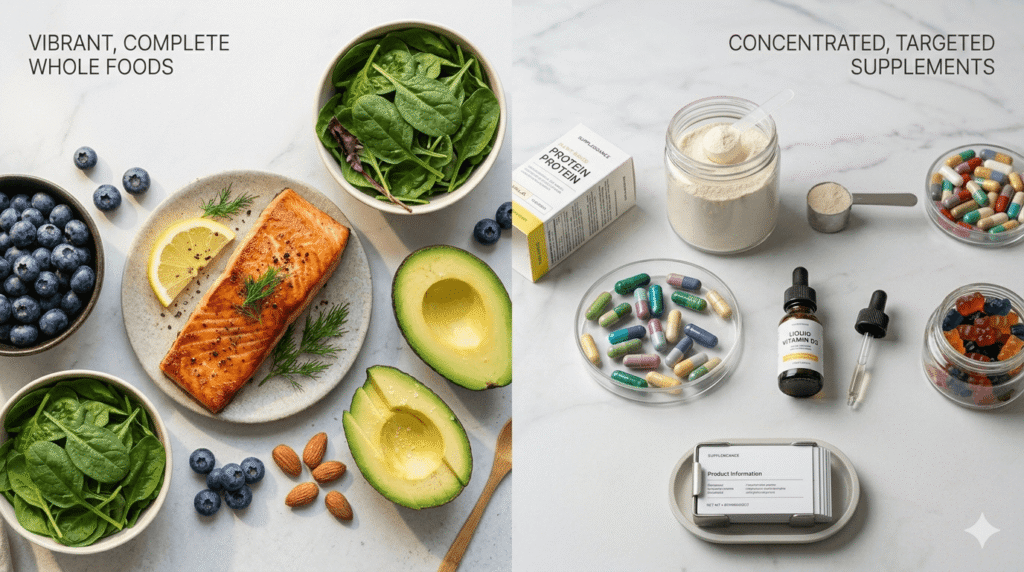
From a broader perspective, the rise in supplement misuse reflects a larger trend.
People are increasingly seeking quick solutions to complex health issues. However, health outcomes depend on:
- Consistency
- Balanced nutrition
- Lifestyle habits
Supplements alone cannot replace these foundations.
Final Insight, Use Supplements as Tools, Not Solutions
Dietary supplements can play a valuable role in supporting health, but only when used correctly.
The key takeaway is simple. Supplements are tools, not shortcuts. Their effectiveness depends on how well they complement your overall diet and lifestyle.
In 2026, as the supplement industry continues to grow, the smartest approach is not to take more supplements, but to use them more wisely.