
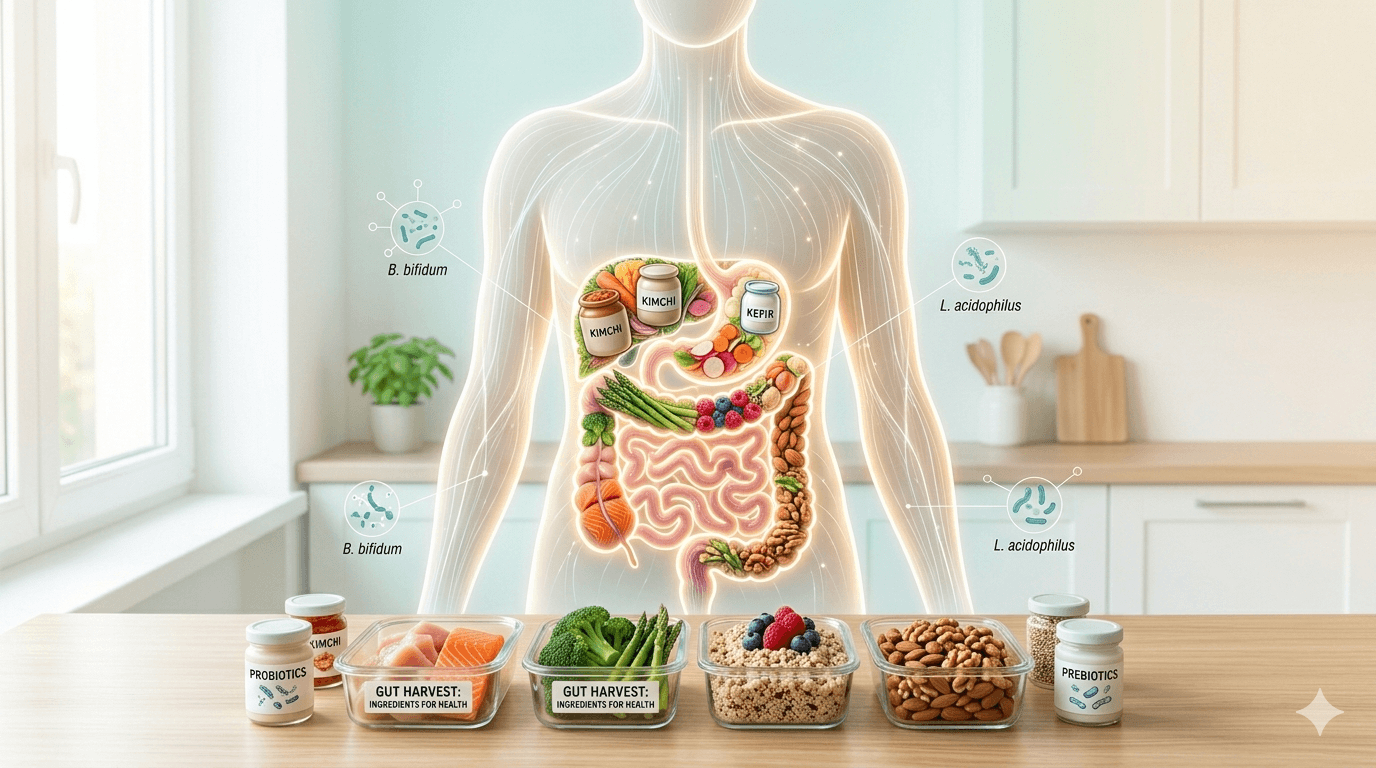
Gut health is no longer just a niche wellness topic. In 2026, it has become one of the most talked-about foundations of overall health. From digestion to immunity and even mental well-being, experts are increasingly highlighting the gut as a central control system for the body.
But here is the surprising part. Many people focus on supplements and quick fixes while ignoring the simple daily habits that actually make the biggest difference.
So what really improves Gut wellness, and how can you apply it in a practical, sustainable way?
Gut Health Explained, Why It Matters More Than Ever
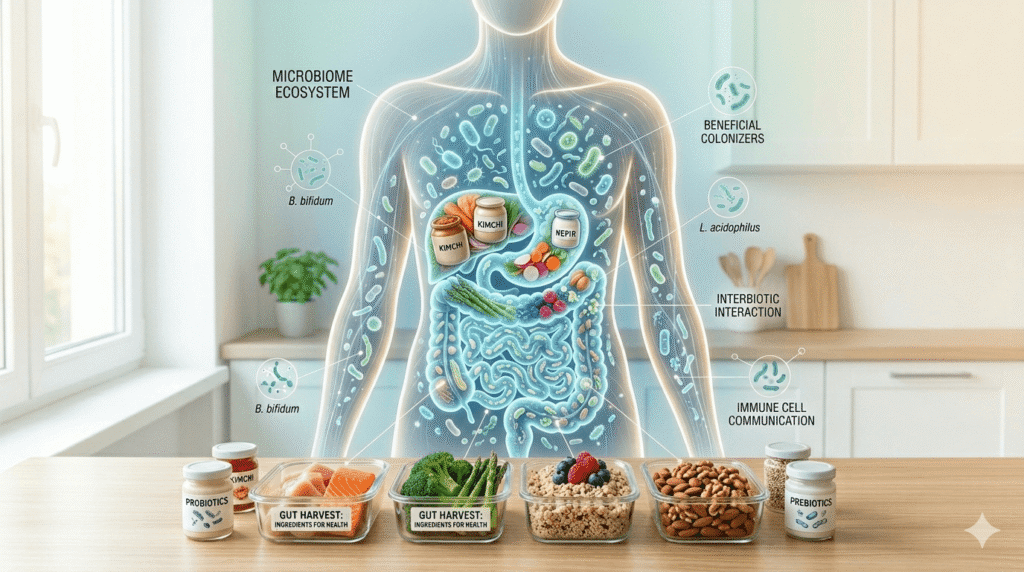
Gut health refers to the balance of microorganisms living in your digestive system, often called the gut microbiome.
The Role of the Gut Microbiome
Your gut contains trillions of bacteria that influence:
- Digestion and nutrient absorption
- Immune system function
- Inflammation levels
- Hormonal balance
According to health research, maintaining a diverse and balanced microbiome is key to long-term health.
Why Gut Health Is Trending in 2026
Several factors are driving increased attention toward Gut wellness:
- Rising awareness of the gut-brain connection
- Increased digestive health issues linked to modern diets
- Greater focus on preventive healthcare
This shift has led to a growing interest in simple, science-backed lifestyle changes.

6 Science-Backed Ways to Improve Gut Health
These strategies are widely recommended by health experts and supported by research.
1. Eat More Fiber-Rich Foods
Fiber is one of the most important nutrients for Gut wellness.
It helps:
- Feed beneficial bacteria
- Improve digestion
- Support regular bowel movements
Best sources include:
- Fruits and vegetables
- Whole grains
- Legumes
2. Include Probiotic Foods
Probiotics are beneficial bacteria that support gut balance.
Common sources:
- Yogurt
- Kefir
- Fermented foods such as sauerkraut and kimchi
These foods help replenish healthy bacteria in the digestive system.
3. Stay Hydrated
Water plays a key role in digestion and nutrient absorption.
Proper hydration can:
- Support gut lining health
- Improve food movement through the digestive tract
4. Reduce Processed Foods and Sugar
Highly processed foods can disrupt the balance of gut bacteria.
Excess sugar intake may:
- Promote harmful bacteria growth
- Reduce microbial diversity
A diet focused on whole foods is more beneficial for Gut wellness.
5. Manage Stress Levels
The gut and brain are closely connected.
Chronic stress can:
- Disrupt digestion
- Alter gut bacteria balance
Practices such as meditation, exercise, and proper sleep can help regulate this connection.
6. Get Enough Sleep
Sleep has a direct impact on gut health.
Poor sleep patterns may:
- Affect digestion
- Disrupt microbial balance
Maintaining a consistent sleep schedule supports overall gut function.
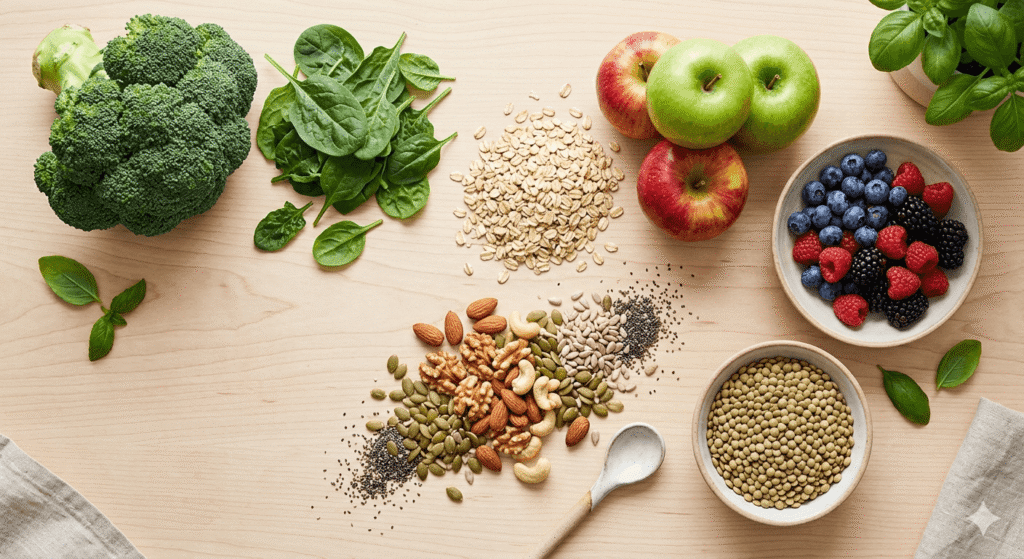
Foods That Support Gut Health
Gut-Friendly Foods
- High-fiber vegetables such as broccoli and spinach
- Fruits like apples and berries
- Whole grains such as oats and brown rice
- Fermented foods
- Nuts and seeds
Foods to Limit
- Processed snacks
- Sugary drinks
- Artificial additives
- Excessive alcohol
Experts emphasize that dietary patterns, not single foods, determine Gut wellness outcomes.
Common Mistakes That Harm Gut Health
Even with good intentions, certain habits can negatively affect gut health.
1. Overusing Antibiotics
While necessary in some cases, excessive use can disrupt gut bacteria.
2. Ignoring Dietary Balance
A lack of fiber or over-reliance on processed foods can reduce microbial diversity.
3. Relying Only on Supplements
Supplements alone cannot replace a healthy diet and lifestyle.
4. Sudden Dietary Changes
Rapid shifts in eating habits can temporarily disrupt digestion.
Benefits of Maintaining Good Gut Health
Improving Gut wellness can lead to a wide range of benefits.
1. Better Digestion
A balanced gut supports efficient digestion and reduces discomfort.
2. Stronger Immune System
A large portion of the immune system is linked to the gut.
3. Improved Energy Levels
Better nutrient absorption supports sustained energy throughout the day.
4. Enhanced Mental Well-Being
The gut-brain connection plays a role in mood and cognitive function.
Gut Health vs Other Health Trends
| Focus Area | Primary Benefit | Limitation |
| Gut wellness | Whole-body impact | Requires consistency |
| Weight loss diets | Fat reduction | Often short-term |
| Supplements | Convenience | Limited without lifestyle changes |
From a research perspective, Gut wellness stands out because of its influence on multiple systems in the body.

Practical Daily Routine to Improve Gut Health
Daily Habits
- Include fiber in every meal
- Stay hydrated
- Eat balanced meals
Weekly Strategy
- Plan meals with diverse ingredients
- Monitor digestion and energy levels
- Maintain consistency
Final Perspective, Small Habits Create Big Changes
The growing focus on gut health reflects a shift toward understanding the body as an interconnected system.
Rather than relying on quick fixes, long-term improvement comes from simple, consistent habits. By focusing on nutrition, lifestyle, and balance, you can support your gut and, in turn, improve overall health and well-being.