

The plant-based diet is experiencing a major surge in 2026, and it is not just another passing trend. Health experts are increasingly emphasizing its role in reducing the risk of chronic diseases and improving overall well-being.
At its core, a plant-based diet focuses on foods derived primarily from plants, including vegetables, fruits, whole grains, legumes, nuts, and seeds. While some people adopt it fully, others follow a more flexible approach by simply prioritizing plant foods over animal products.
The growing interest is driven by one key question. Can shifting toward plant-based eating actually prevent disease and improve long-term health outcomes?
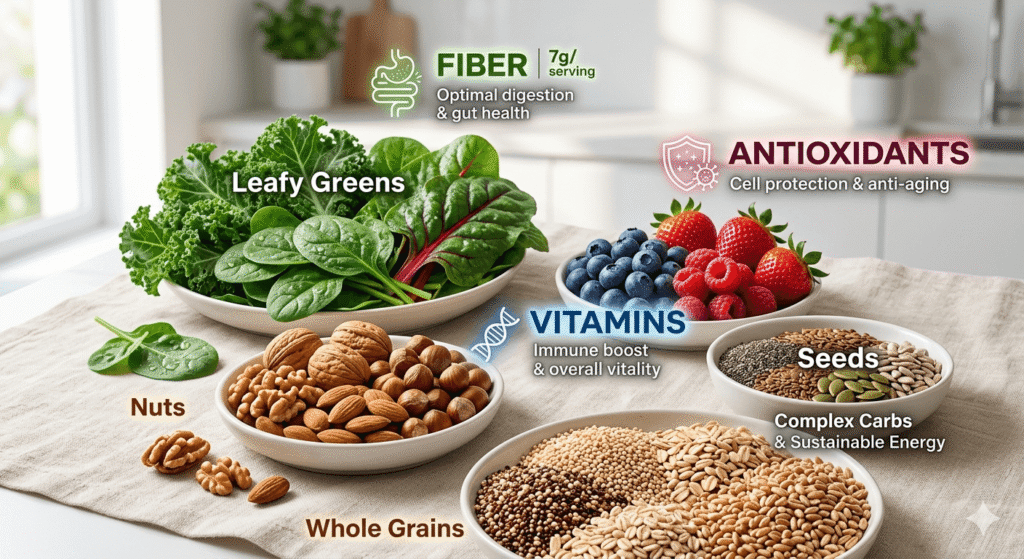
Plant-Based Diet Benefits Explained, Why Experts Are Recommending It
The rise of the plant-based diet is backed by a growing body of research linking it to better health outcomes.
What Defines a Plant-Based Diet
A plant-based diet is not necessarily vegan or vegetarian. Instead, it emphasizes:
- Whole, minimally processed plant foods
- Reduced intake of animal-based products
- Balanced nutrient intake
This flexibility makes it more accessible and sustainable for a wider population.
Nutritional Profile of Plant-Based Eating
Plant-based diets are typically rich in:
- Fiber
- Vitamins and minerals
- Antioxidants
- Phytonutrients
These components play a key role in supporting immune function and reducing inflammation.
According to health experts, diets high in plant foods are associated with improved overall health markers.

How a Plant-Based Diet Supports Disease Prevention
One of the primary reasons for the surge in popularity is its potential to prevent chronic diseases.
1. Reduced Risk of Heart Disease
Plant-based diets are often lower in saturated fat and higher in fiber.
This combination can:
- Improve cholesterol levels
- Support healthy blood pressure
- Reduce cardiovascular risk
2. Lower Risk of Certain Cancers
Research suggests that diets rich in fruits, vegetables, and whole grains may help reduce the risk of certain cancers.
Key factors include:
- High antioxidant intake
- Reduced exposure to processed foods
- Increased fiber consumption
3. Improved Blood Sugar Control
Plant-based eating patterns may help:
- Stabilize blood glucose levels
- Improve insulin sensitivity
- Reduce the risk of type 2 diabetes
According to medical guidance, dietary patterns rich in whole plant foods support metabolic health.
4. Support for Healthy Weight Management
Plant-based diets are often lower in calorie density.
This can lead to:
- Reduced calorie intake
- Improved satiety
- Sustainable weight management
What to Eat on a Plant-Based Diet
Food choices are central to maximizing the benefits of a plant-based diet.
Core Foods to Include
- Vegetables such as leafy greens, broccoli, and carrots
- Fruits including berries, apples, and bananas
- Whole grains like oats, brown rice, and quinoa
- Legumes such as beans, lentils, and chickpeas
- Nuts and seeds
- Plant-based oils like olive oil
Foods to Limit
- Processed meats
- Refined carbohydrates
- Added sugars
- Highly processed snacks
Experts emphasize that not all plant-based foods are equally healthy, and quality matters.
Key Nutrients to Watch on a Plant-Based Diet
While plant-based diets offer many benefits, careful planning is essential.
Important Nutrients
| Nutrient | Why It Matters | Sources |
| Protein | Muscle repair and maintenance | Legumes, tofu, nuts |
| Vitamin B12 | Nerve function | Fortified foods, supplements |
| Iron | Oxygen transport | Lentils, spinach |
| Calcium | Bone health | Fortified plant milk, leafy greens |
| Omega-3 fatty acids | Heart and brain health | Flaxseeds, walnuts |
Ensuring adequate intake of these nutrients helps maintain balance and prevent deficiencies.
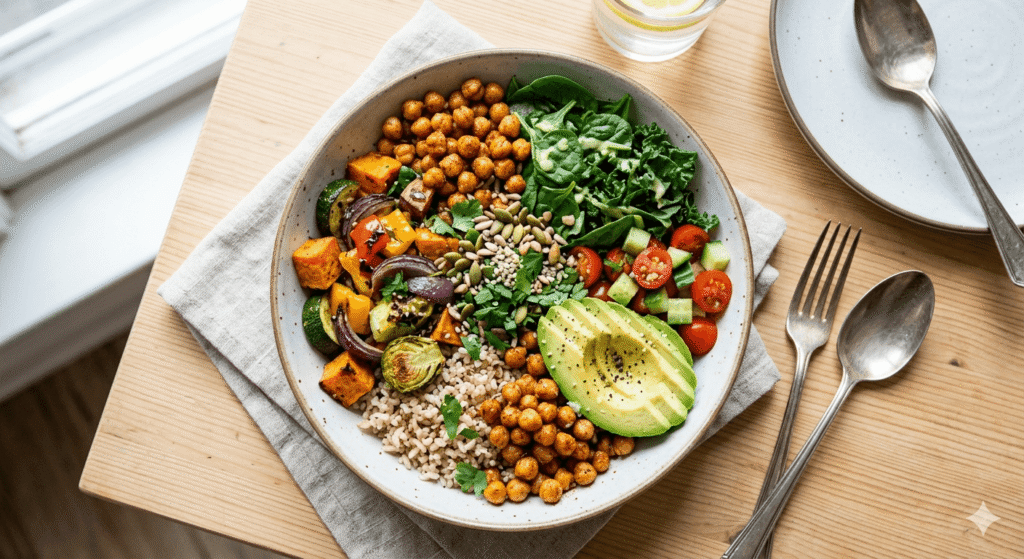
Common Misconceptions About Plant-Based Diets
Myth 1. You Cannot Get Enough Protein
Plant-based sources can provide sufficient protein when combined properly.
Myth 2. It Requires Eliminating All Animal Products
Many people follow a flexible plant-based approach rather than strict elimination.
Myth 3. All Plant-Based Foods Are Healthy
Highly processed plant-based foods may still be low in nutritional value.
Why the Plant-Based Diet Is Trending in 2026
Several factors are driving renewed interest in plant-based eating.
1. Growing Focus on Preventive Health
People are increasingly adopting diets that support long-term health rather than short-term results.
2. Increased Awareness of Nutrition
Access to nutritional information has made consumers more conscious of their food choices.
3. Sustainability and Lifestyle Trends
Plant-based diets are often associated with environmental and ethical considerations, which influence consumer behavior.
How to Start a Plant-Based Diet Safely
Transitioning to a plant-based diet does not require drastic changes.
Step-by-Step Approach
- Start by adding more plant-based meals to your routine
- Replace refined foods with whole plant foods
- Gradually reduce animal product consumption
- Plan meals to ensure nutritional balance
Practical Tips for Beginners
- Focus on variety to meet nutrient needs
- Prepare meals at home when possible
- Monitor how your body responds to dietary changes
Plant-Based Diet vs Other Eating Patterns
| Diet Type | Focus | Advantage | Limitation |
| Plant-based diet | Whole plant foods | Disease prevention | Requires planning |
| Keto diet | Low carb, high fat | Rapid weight loss | Restrictive |
| Balanced diet | Mixed nutrients | Sustainable | Slower results |
From a research perspective, the best dietary pattern is one that aligns with individual health needs and can be maintained over time.
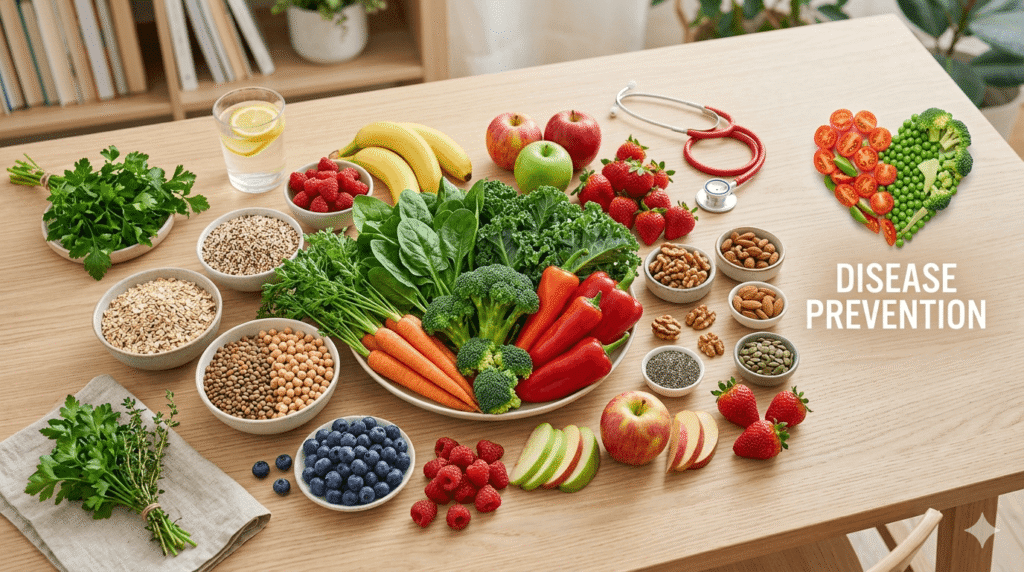
Practical Daily Strategy for Long-Term Success
Daily Habits
- Include plant foods in every meal
- Balance macronutrients
- Stay hydrated
Weekly Strategy
- Plan meals ahead
- Track nutrient intake
- Adjust based on energy and health goals
Final Perspective, A Shift Toward Long-Term Health
The surge in the plant-based diet reflects a broader shift toward preventive health and sustainable eating.
While it offers significant benefits, its effectiveness depends on thoughtful planning and consistency. Rather than focusing on strict rules, adopting a balanced approach that prioritizes whole plant foods can lead to meaningful and lasting health improvements.