

The idea of a diet plan for weight loss that promises visible results in just 7 days is gaining massive traction in 2026. From social media challenges to structured meal plans, people are increasingly drawn to short-term strategies that appear simple and effective.
But here is the reality. While many start these plans with high expectations, most fail to achieve lasting results.
A 7-day plan can be a powerful starting point, but only when it is designed correctly and used as part of a broader strategy. So why do so many people struggle, and how can you actually make a diet plan work?
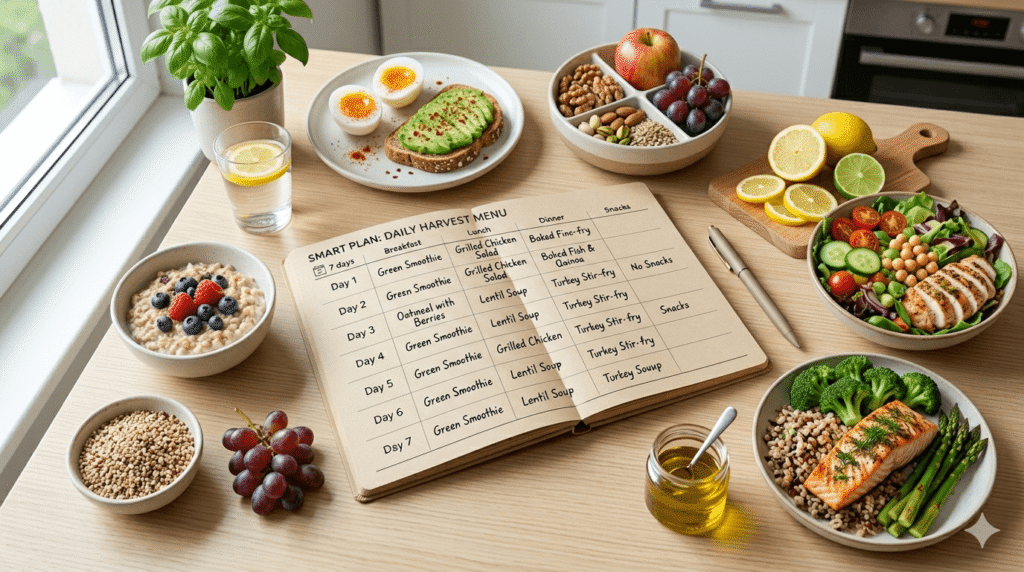
Diet Plan for Weight Loss Explained, Why 7-Day Plans Work and Where They Fail
A diet plan for weight loss typically focuses on creating a calorie deficit while maintaining balanced nutrition.
The Science Behind Short-Term Diet Plans
Weight loss fundamentally depends on consuming fewer calories than the body burns.
A structured 7-day plan can:
- Reduce calorie intake
- Improve portion control
- Reset eating habits
According to nutrition research, a moderate daily calorie deficit can lead to gradual fat loss, often around 0.5 to 1 kilogram per week depending on individual factors.
Why 7-Day Diet Plans Are Popular
Short-term plans appeal because they:
- Provide clear structure
- Offer quick motivation
- Simplify food choices
However, the problem arises when people treat them as complete solutions rather than starting points.
The Biggest Reasons People Fail on Diet Plans
Even the most well-designed diet plan for weight loss can fail if common mistakes are not addressed.
1. Expecting Rapid Results
Many people expect dramatic changes within a week.
In reality:
- Initial weight loss is often water weight
- Fat loss takes consistent effort over time
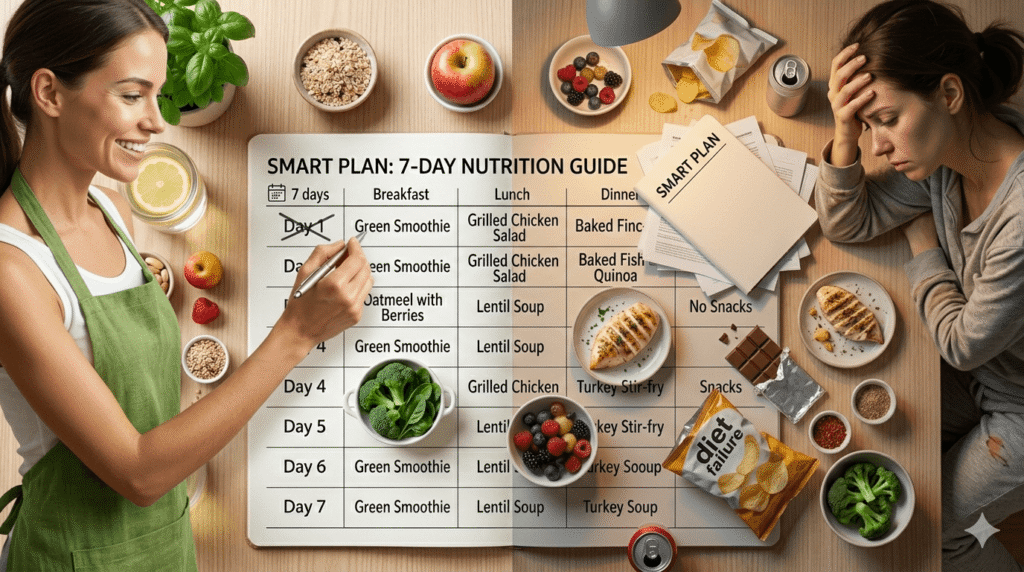
2. Following Unsustainable Restrictions
Extreme calorie cuts can lead to:
- Fatigue
- Hunger
- Loss of muscle mass
This often results in rebound weight gain once the plan ends.
3. Ignoring Nutritional Balance
Some plans focus only on calories and neglect nutrients.
A proper diet must include:
- Protein
- Fiber
- Healthy fats
Without these, hunger and low energy become major issues.
4. Lack of Consistency
Starting strong but stopping after a few days is one of the most common problems.
Consistency matters more than perfection.
5. Not Adjusting for Individual Needs
Each person has different:
- Calorie requirements
- Activity levels
- Metabolism
A generic plan may not suit everyone.
What a Balanced 7-Day Diet Plan Looks Like
A well-structured diet plan for weight loss should prioritize both calorie control and nutrient quality.
Daily Meal Structure
Most effective plans include:
- Breakfast
- Lunch
- Dinner
- 1 to 2 healthy snacks
This helps maintain energy levels and prevent overeating.
Sample 7-Day Meal Framework
Below is a simplified example:
| Day | Focus | Meal Idea |
| Day 1 | High protein | Eggs, chicken salad, vegetables |
| Day 2 | Fiber-rich | Oats, lentils, fruits |
| Day 3 | Balanced carbs | Brown rice, lean protein |
| Day 4 | Low calorie meals | Vegetables, soups |
| Day 5 | Healthy fats | Nuts, avocado meals |
| Day 6 | Mixed nutrients | Balanced meals |
| Day 7 | Light reset | Simple, portion-controlled meals |
This structure supports gradual and sustainable progress rather than extreme changes.

Foods to Include in a Diet Plan for Weight Loss
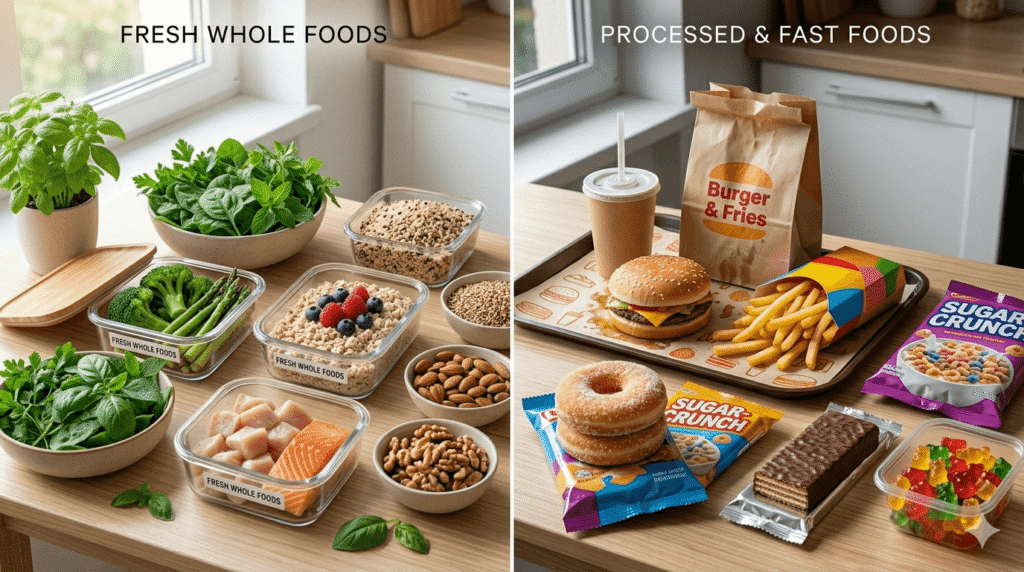
Nutrient-Dense Foods
- Lean proteins such as chicken, fish, eggs, tofu
- Whole grains like oats, quinoa, brown rice
- Fruits and vegetables
- Healthy fats such as nuts and olive oil
Foods to Limit
- Processed snacks
- Added sugars
- Refined carbohydrates
- High-calorie beverages
Experts emphasize that food quality plays a major role in long-term success.
Benefits of a Structured Diet Plan
When followed correctly, a diet plan for weight loss offers several advantages.
1. Improved Portion Control
Helps develop awareness of how much you are eating.
2. Better Eating Habits
Encourages consistent meal timing and healthier choices.
3. Gradual and Sustainable Weight Loss
Avoids extreme fluctuations and supports long-term success.
4. Increased Motivation
Short-term plans provide a sense of direction and progress.
Risks and Limitations of 7-Day Diet Plans
While useful, these plans are not without drawbacks.
Potential Issues
- Temporary results if not maintained
- Risk of nutrient deficiencies if poorly designed
- Unrealistic expectations
Health experts warn against treating short-term plans as permanent solutions.
How to Make a Diet Plan Actually Work
Success depends on how you approach the plan.
1. Focus on Sustainability
Choose meals you can maintain beyond 7 days.
2. Maintain a Moderate Calorie Deficit
Avoid extreme restriction.
3. Prioritize Protein and Fiber
These nutrients help control hunger and preserve muscle.
4. Stay Physically Active
Aim for regular exercise to support fat loss.
5. Track Progress, Not Perfection
Small improvements over time lead to lasting results.
Diet Plan vs Other Weight Loss Approaches
| Approach | Focus | Advantage | Limitation |
| Diet plan for weight loss | Structured meals | Easy to follow | May feel rigid |
| Intermittent fasting | Meal timing | Simple concept | Not suitable for all |
| Low calorie meals | Portion control | Flexible | Requires planning |
From a research perspective, adherence is the most important factor regardless of the method.
Practical Strategy for Long-Term Success
Daily Habits
- Eat balanced meals
- Stay hydrated
- Avoid skipping meals
Weekly Approach
- Plan meals ahead
- Adjust portions based on results
- Stay consistent
Final Perspective, A 7-Day Plan Is a Starting Point, Not the Solution
The growing popularity of a diet plan for weight loss highlights the demand for simple and effective solutions.
However, lasting success does not come from a single week of dieting. It comes from building habits that extend beyond the plan. A 7-day structure can guide you, but real results depend on consistency, balance, and a long-term mindset.