

The intermittent fasting trend is back in full force in 2026. From social media influencers to health professionals, many are promoting it as a simple and effective way to lose weight and improve overall health. But here is the reality. Most people are still getting it wrong.
At its core, Structured fasting plan is not about what you eat, but when you eat. It involves cycling between periods of eating and fasting, allowing the body to shift its energy usage and metabolic processes. While this sounds straightforward, improper implementation can lead to poor results or even health issues.
So what exactly is intermittent fasting, how does it work, and why are so many people misusing it?
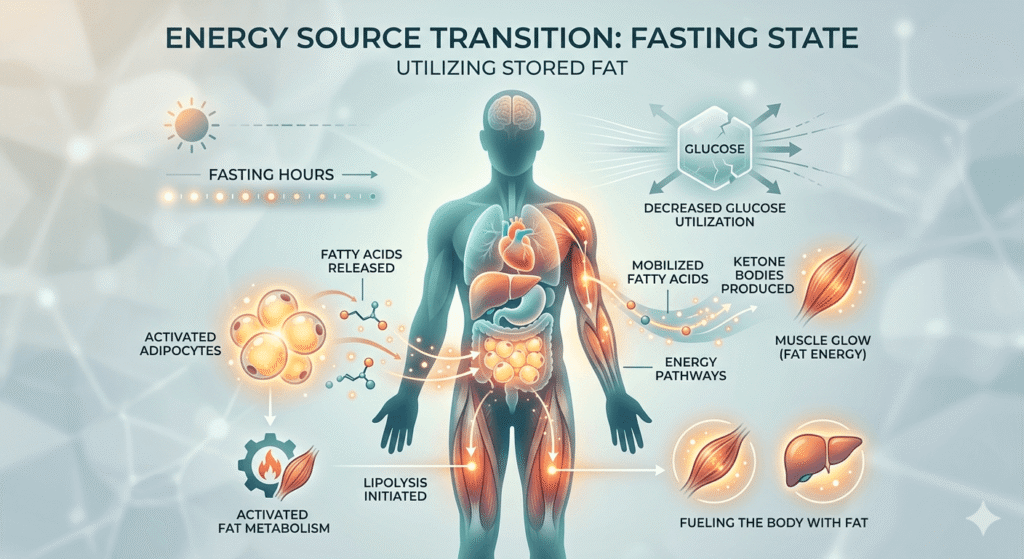
Intermittent Fasting Explained, How It Works and Why It Matters
The Structured fasting plan approach focuses on timing meals rather than restricting specific foods.
The Science Behind Intermittent Fasting
When you eat, your body uses glucose from food as its primary energy source. During fasting periods:
- Insulin levels drop
- The body begins to access stored fat
- Cellular repair processes may increase
This metabolic shift is what makes Structured fasting plan appealing for weight management and health.
According to research, fasting periods can trigger processes such as fat burning and improved metabolic efficiency.

Popular Intermittent Fasting Methods
Several structured methods are commonly used:
| Method | Description |
| 16:8 method | Fast for 16 hours, eat within 8 hours |
| 5:2 method | Eat normally 5 days, restrict calories on 2 days |
| Alternate-day fasting | Alternate between fasting and regular eating |
Each method offers flexibility depending on lifestyle and preferences.
Why Intermittent Fasting Is Trending Again in 2026
The renewed popularity of Structured fasting plan is driven by multiple factors.
1. Simplicity Compared to Traditional Diets
Unlike restrictive diets, Structured fasting plan does not require counting calories or eliminating entire food groups.
2. Growing Focus on Metabolic Health
People are increasingly interested in improving insulin sensitivity and long-term health markers.
3. Social Media Influence
Short-form content has made fasting methods widely accessible, though often oversimplified.
The Biggest Mistakes People Make With Intermittent Fasting
Despite its simplicity, many individuals struggle to apply Meal timing strategy correctly.
1. Overeating During Eating Windows
Some people compensate for fasting by consuming excessive calories.
This can:
- Cancel out calorie deficits
- Lead to weight gain

2. Ignoring Food Quality
Fasting does not replace the need for balanced nutrition.
Poor choices such as:
- Processed foods
- High sugar intake
can reduce the benefits of fasting.
3. Fasting Too Aggressively
Extended fasting periods without proper adaptation can cause:
- Fatigue
- Nutrient deficiencies
- Hormonal imbalances
According to experts, gradual adaptation is key to avoiding negative effects.
4. Neglecting Hydration
During fasting, hydration becomes even more important.
Dehydration can lead to:
- Headaches
- Reduced energy levels
5. Expecting Immediate Results
Meal timing strategy is not a quick fix.
Results depend on:
- Consistency
- Overall diet quality
- Lifestyle factors
Benefits of Intermittent Fasting
When applied correctly, intermittent fasting may offer several health benefits.
1. Supports Weight Loss
By reducing eating windows, many people naturally consume fewer calories.
2. Improves Insulin Sensitivity
Fasting periods can help regulate blood sugar levels and improve metabolic function.
3. May Promote Cellular Repair
Some studies suggest fasting triggers processes such as cellular maintenance and repair.
4. Enhances Simplicity in Eating Patterns
Fewer meals can make dietary routines easier to manage.
Risks and Who Should Avoid It
Intermittent fasting is not suitable for everyone.
Potential Risks
- Nutrient deficiencies if meals are not balanced
- Low energy levels
- Difficulty maintaining long-term
Who Should Be Cautious
- Pregnant or breastfeeding individuals
- People with certain medical conditions
- Individuals with a history of eating disorders
According to medical guidance, consulting a healthcare professional is recommended before starting fasting routines.
How to Start Intermittent Fasting Safely
For beginners, a structured approach improves success rates.
Step-by-Step Beginner Guide
- Start with a shorter fasting window, such as 12 hours
- Gradually increase fasting duration
- Focus on nutrient-dense meals
- Stay hydrated throughout the day
- Monitor how your body responds
What to Eat During Eating Windows
To maximize benefits, prioritize:
- Lean proteins
- Whole grains
- Fruits and vegetables
- Healthy fats
Avoid relying on processed or high-sugar foods.
Intermittent Fasting vs Traditional Dieting
| Approach | Focus | Advantage | Limitation |
| Intermittent fasting | Meal timing | Simple structure | Requires discipline |
| Calorie counting | Energy intake | Precise control | Time-consuming |
| Balanced diet | Nutrient variety | Sustainable | Slower results |
From a research perspective, effectiveness depends more on adherence than the specific method.

Practical Strategy for Long-Term Success
Daily Habits
- Maintain consistent eating windows
- Focus on balanced meals
- Stay hydrated
Weekly Approach
- Evaluate progress
- Adjust fasting duration if needed
- Maintain consistency
Final Perspective, Timing Matters but Balance Matters More
The resurgence of intermittent fasting highlights a shift toward simpler, more flexible eating strategies.
However, the key insight remains clear. Success does not come from fasting alone, but from how it integrates with overall nutrition and lifestyle. When done correctly, intermittent fasting can be a useful tool. When misunderstood, it can lead to frustration and poor results.