

The keto diet plan for beginners is trending again, and for good reason. Many people are turning to this low-carb approach for weight loss, better energy levels, and improved metabolic health. But here is the reality. While the keto diet can be effective, starting it without proper understanding often leads to confusion, side effects, and poor results.
At its core, the ketogenic diet is about shifting your body into a state called ketosis, where fat becomes the primary source of energy instead of carbohydrates. This metabolic change can produce significant results, but only if done correctly.
So how does the keto diet actually work, what should you eat, and how can beginners start safely?
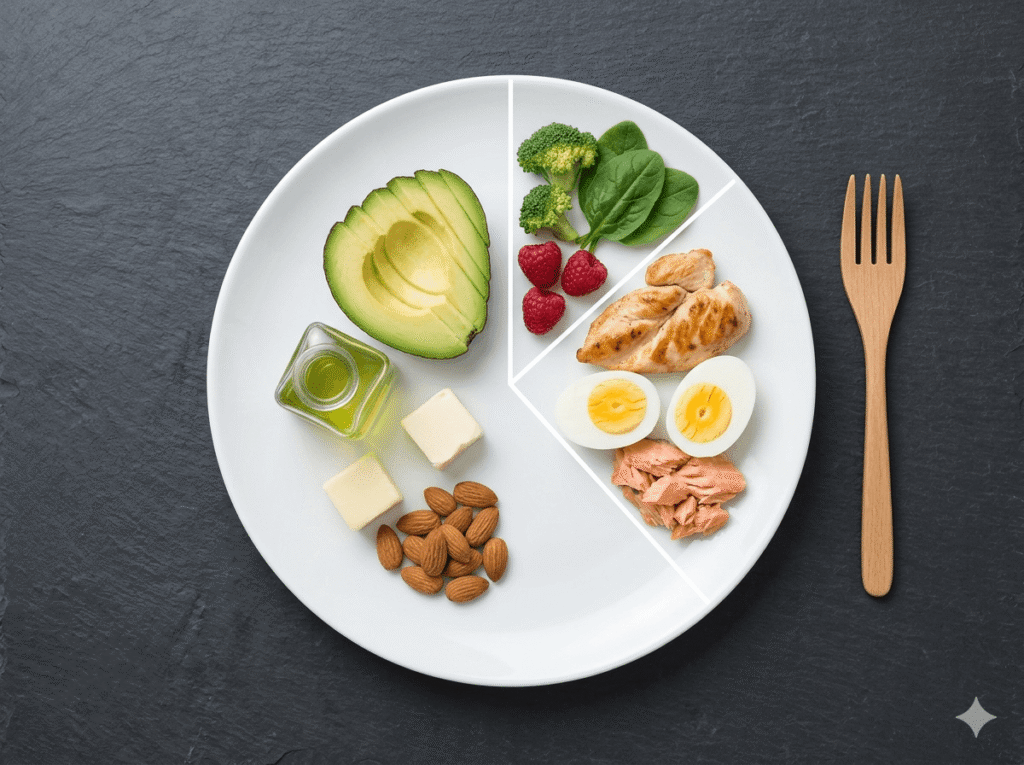
Keto Diet Plan for Beginners Explained, How It Works and Why It Matters
The keto diet plan for beginners focuses on drastically reducing carbohydrate intake while increasing fat consumption. This forces the body to switch from burning glucose to burning fat.
How Ketosis Works
Under normal conditions, your body relies on carbohydrates for energy. When carbs are reduced significantly:
- Glycogen stores are depleted
- The liver begins producing ketones
- The body shifts to fat as its primary fuel source
This metabolic state is known as ketosis.
According to research, entering ketosis typically requires limiting carbohydrate intake to around 20 to 50 grams per day.

Macronutrient Breakdown on Keto
A typical ketogenic diet includes:
| Macronutrient | Percentage of Daily Intake |
| Fat | 70 to 80 percent |
| Protein | 15 to 25 percent |
| Carbohydrates | 5 to 10 percent |
This balance is critical for maintaining ketosis and achieving desired results.
What to Eat on a Keto Diet
Food selection is the foundation of success on a ketogenic diet.
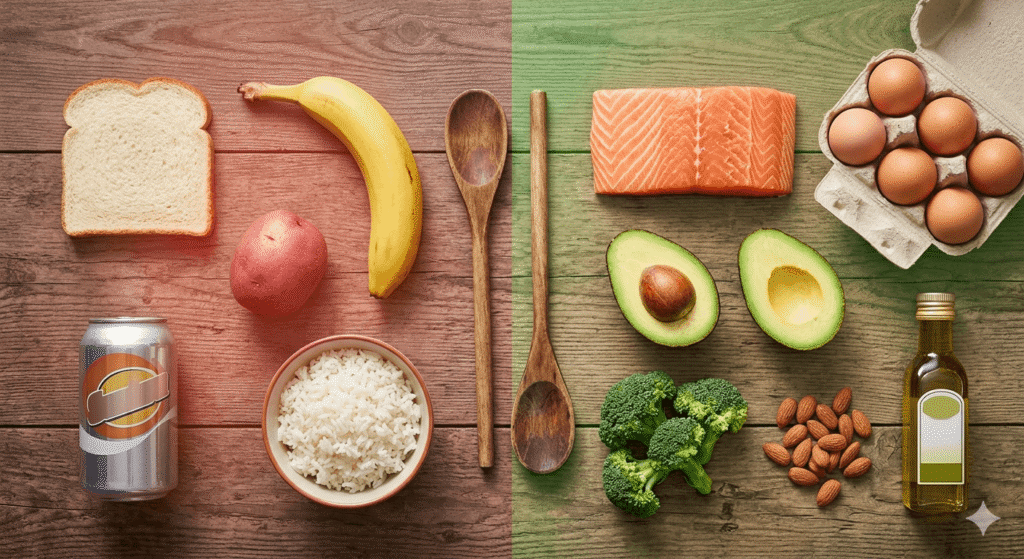
Keto-Friendly Foods
These foods are commonly included in a keto diet plan for beginners:
- Meat such as chicken, beef, and lamb
- Fatty fish like salmon and mackerel
- Eggs
- Full-fat dairy products
- Healthy fats including olive oil, butter, and avocado
- Low-carb vegetables such as spinach, broccoli, and zucchini
- Nuts and seeds
Foods to Avoid
To maintain ketosis, certain foods must be limited or eliminated:
- Bread, pasta, and rice
- Sugary foods and beverages
- Most fruits except small portions of berries
- Starchy vegetables like potatoes
- Processed snacks high in carbohydrates
According to dietary guidance, even small increases in carbohydrate intake can disrupt ketosis.
Step-by-Step Guide to Start Keto Safely
Starting a ketogenic diet requires planning and gradual adjustment.
Step 1. Reduce Carbohydrates Gradually
Instead of eliminating carbs suddenly:
- Begin by cutting down refined carbohydrates
- Transition toward low-carb alternatives
Step 2. Increase Healthy Fat Intake
To compensate for reduced carbohydrates:
- Add healthy fats to meals
- Focus on nutrient-dense fat sources
Step 3. Maintain Moderate Protein Intake
Protein intake should be balanced:
- Too little protein can affect muscle health
- Too much may interfere with ketosis
Step 4. Stay Hydrated and Manage Electrolytes
One of the most common beginner issues is dehydration.
Important steps:
- Drink enough water
- Maintain sodium, potassium, and magnesium levels
Step 5. Monitor Your Body’s Response
Track how your body reacts:
- Energy levels
- Hunger patterns
- Weight changes
Adjust your approach based on these observations.
Common Side Effects and How to Handle Them
Many beginners experience temporary symptoms when starting keto.
The “Keto Flu”
Symptoms may include:
- Fatigue
- Headaches
- Irritability
- Dizziness
These effects usually occur during the first week.
According to health experts, these symptoms are linked to the body adapting to reduced carbohydrate intake.
How to Reduce Symptoms
- Stay hydrated
- Increase electrolyte intake
- Transition gradually rather than abruptly
Benefits of the Keto Diet
When followed correctly, the ketogenic diet offers several potential benefits.
1. Supports Weight Loss
By shifting the body to fat-burning mode:
- Fat stores are used for energy
- Appetite may decrease
2. Improves Blood Sugar Control
Reducing carbohydrate intake can:
- Lower blood sugar spikes
- Improve insulin sensitivity
3. Enhances Energy Stability
Once adapted, many individuals report:
- More consistent energy levels
- Reduced energy crashes
Risks and Limitations You Should Consider
Despite its benefits, the keto diet is not suitable for everyone.
Potential Risks
- Nutrient deficiencies if not properly planned
- Difficulty maintaining long-term
- Digestive issues during transition
Who Should Be Cautious
- Individuals with certain medical conditions
- Pregnant or breastfeeding women
- People with high energy demands
According to experts, medical consultation is recommended before starting restrictive diets.

Keto Diet vs Other Popular Diets
Understanding how keto compares to other approaches can help you decide if it is right for you.
| Diet | Key Focus | Advantage | Limitation |
| Keto diet | Low carb, high fat | Rapid fat adaptation | Restrictive |
| Balanced diet | Nutrient variety | Sustainable | Slower results |
| Low-fat diet | Reduced fat intake | Easy to follow | May not control hunger |
From a research perspective, the best diet is the one that aligns with your lifestyle and can be maintained long-term.
Practical Tips for Long-Term Success
Daily Habits
- Plan meals ahead of time
- Include a variety of nutrient-dense foods
- Monitor portion sizes
Weekly Strategy
- Track progress consistently
- Adjust macronutrient ratios if needed
- Stay consistent with food choices
Final Perspective, Keto Is a Tool, Not a Shortcut
The keto diet plan for beginners can be an effective approach for weight loss and metabolic health, but it is not a universal solution.
Success depends on understanding how the diet works, making informed food choices, and maintaining consistency over time. Instead of viewing keto as a quick fix, treating it as a structured lifestyle approach leads to better and more sustainable results.