

Protein shakes have become a staple in modern fitness and diet culture. From gym enthusiasts to busy professionals, many rely on them to support weight loss and muscle gain. But here is the critical question. Are proteinshakes actually as beneficial as they seem, or are they often misunderstood and misused?
The science shows that protein supplements can be effective tools when used correctly. However, relying on them without understanding their role in a balanced diet can lead to unintended consequences.
To make informed decisions, it is essential to understand how protein drinks work, their benefits, potential risks, and how to incorporate them properly.
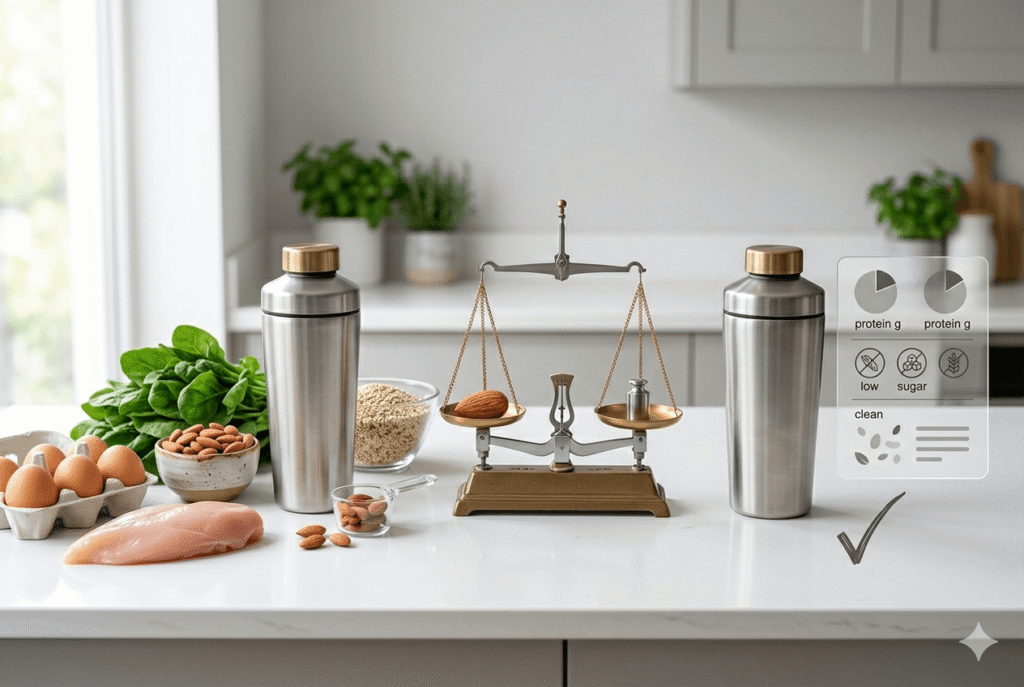
Protein drinks Explained, Benefits, Risks, and Practical Use
Protein supplements are dietary supplements designed to provide a concentrated source of protein. They are typically made using:
- Whey protein
- Casein protein
- Plant-based proteins such as soy or pea
These drinks are commonly used to meet daily protein needs, especially for individuals with higher physical activity levels.
How Protein Beverages Support Weight Loss
Protein plays a key role in regulating appetite and metabolism, making it an important factor in weight management.
Increased Satiety and Reduced Hunger
Protein is more filling than carbohydrates or fats. This can help:
- Reduce overall calorie intake
- Prevent overeating
- Support calorie deficit strategies
According to research, higher protein intake is associated with improved appetite control and reduced snacking.
Boosting Metabolism
Protein has a higher thermic effect compared to other macronutrients. This means:
- Your body burns more calories digesting protein
- Energy expenditure slightly increases
While the effect is modest, it contributes to overall weight loss efforts.
Preserving Muscle During Weight Loss
One of the biggest challenges during weight loss is losing muscle along with fat.
Adequate protein intake helps:
- Maintain lean muscle mass
- Support metabolic rate
- Improve body composition
Protein shakes can make it easier to meet protein requirements, especially during calorie restriction.
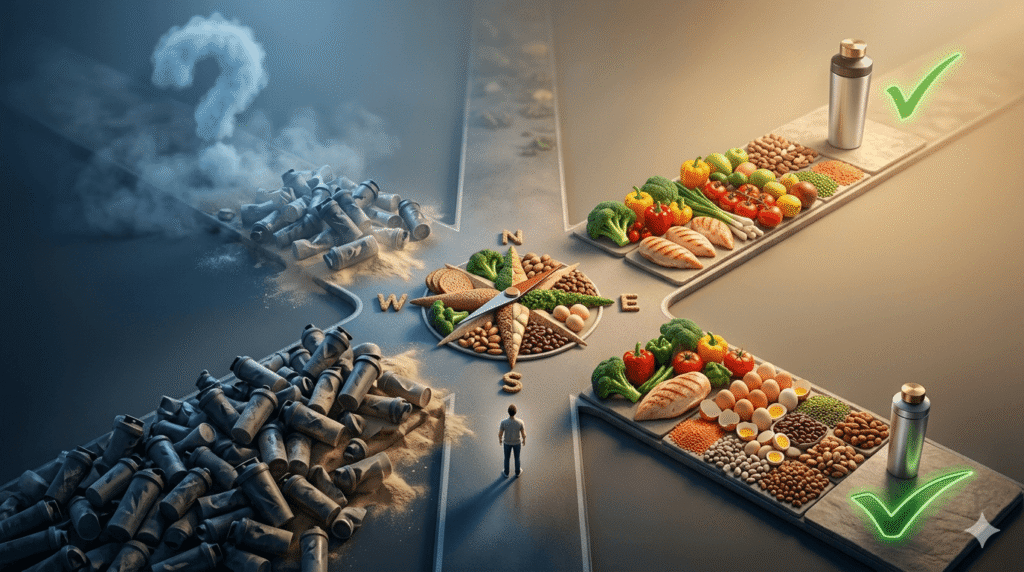
How Protein Beverages Help With Muscle Gain
Protein is essential for muscle repair and growth, particularly after exercise.
Muscle Recovery and Repair
After workouts, muscles undergo repair processes that require amino acids.
Protein shakes provide:
- Rapid protein absorption, especially whey
- Convenient post-workout nutrition
Supporting Muscle Protein Synthesis
Muscle growth occurs when protein synthesis exceeds breakdown.
To support this process:
- Consistent protein intake throughout the day is important
- Protein shakes can supplement meals when needed
Experts suggest that spreading protein intake evenly across meals may optimize muscle-building outcomes.
Types of Protein Shakes and Their Differences
Understanding the different types of protein can help you choose the right option.
| Type | Source | Key Benefit | Limitation |
| Whey protein | Dairy | Fast absorption | Not suitable for lactose intolerance |
| Casein protein | Dairy | Slow digestion | Less ideal post-workout |
| Plant-based protein | Pea, soy, rice | Vegan-friendly | May lack some amino acids |
Each type serves a specific purpose depending on your dietary needs and fitness goals.
Risks and Downsides of Protein Shakes
While protein shakes offer benefits, they are not without potential drawbacks.
1. Excess Protein Intake
Consuming too much protein can lead to:
- Digestive discomfort
- Increased calorie intake
- Potential strain on kidney function in susceptible individuals
2. Hidden Sugars and Additives
Many commercial protein shakes contain:
- Added sugars
- Artificial flavors
- High calorie content
These ingredients can:
- Undermine weight loss goals
- Reduce overall nutritional quality
3. Replacing Whole Foods
Protein shakes should not replace nutrient-rich meals.
Whole foods provide:
- Fiber
- Vitamins and minerals
- Phytochemicals
According to health experts, whole foods should remain the foundation of a balanced diet.
How to Use Protein Shakes Effectively
Using protein shakes strategically is key to maximizing their benefits.
1. Use Them as a Supplement, Not a Replacement
Protein shakes should complement your diet, not replace meals entirely.
Best use cases:
- Post-workout recovery
- Quick meal support when time is limited
- Meeting protein targets
2. Choose High-Quality Products
When selecting a protein shake, look for:
- Low added sugar
- Minimal ingredients
- Transparent labeling
3. Align Intake With Your Goals
Your protein needs depend on your objective.
| Goal | Recommended Approach |
| Weight loss | Use shakes to control hunger and maintain protein intake |
| Muscle gain | Use shakes to support recovery and increase total protein |
| General health | Use occasionally, focus on whole foods |
4. Combine With Balanced Nutrition
Protein shakes work best when integrated into a balanced diet that includes:
- Fruits and vegetables
- Whole grains
- Healthy fats
Common Myths About Protein Drinks
Myth 1: More Protein Equals Faster Results
Excess protein does not automatically lead to better outcomes.
Myth 2: Protein Drinks Are Necessary for Everyone
Many people can meet their protein needs through whole foods alone.
Myth 3: All Protein Powders Are the Same
Quality and ingredients vary significantly between products.
The Bigger Picture: Are Protein Shakes Worth It?
From a research perspective, protein drinks are tools rather than solutions.
They are most effective when:
- Used strategically
- Combined with a balanced diet
- Aligned with individual goals
At the same time, they are not essential for everyone.

Practical Daily Strategy for Using Protein Shakes
To integrate these shakes effectively:
Daily Approach
- Include protein in every meal
- Use shakes when needed, not by default
- Monitor total calorie intake
Weekly Approach
- Evaluate your protein intake
- Adjust based on activity level
- Maintain consistency
Final Perspective: Balance Is More Important Than Supplements
Protein shakes can support weight loss and muscle gain, but they are not a shortcut to results. Their effectiveness depends on how they fit into your overall diet and lifestyle.
The key takeaway is simple. Focus on balanced nutrition first, then use shakes as a supportive tool when necessary