
Lean Body Mass Calculator
Lean Body Mass Calculator – Complete Guide for Healthy Living

Lean Body Mass (LBM) plays a crucial role in overall health, strength, and metabolism. While body weight alone does not show how your body is composed, lean body mass focuses on the parts of your body that actively support movement, energy use, and physical performance. Understanding your lean body mass helps you make smarter decisions about nutrition, exercise, and long-term wellness.
This guide explains what lean body mass means, why it matters, and how you can improve or maintain it in a healthy and sustainable way.
What Is Lean Body Mass?
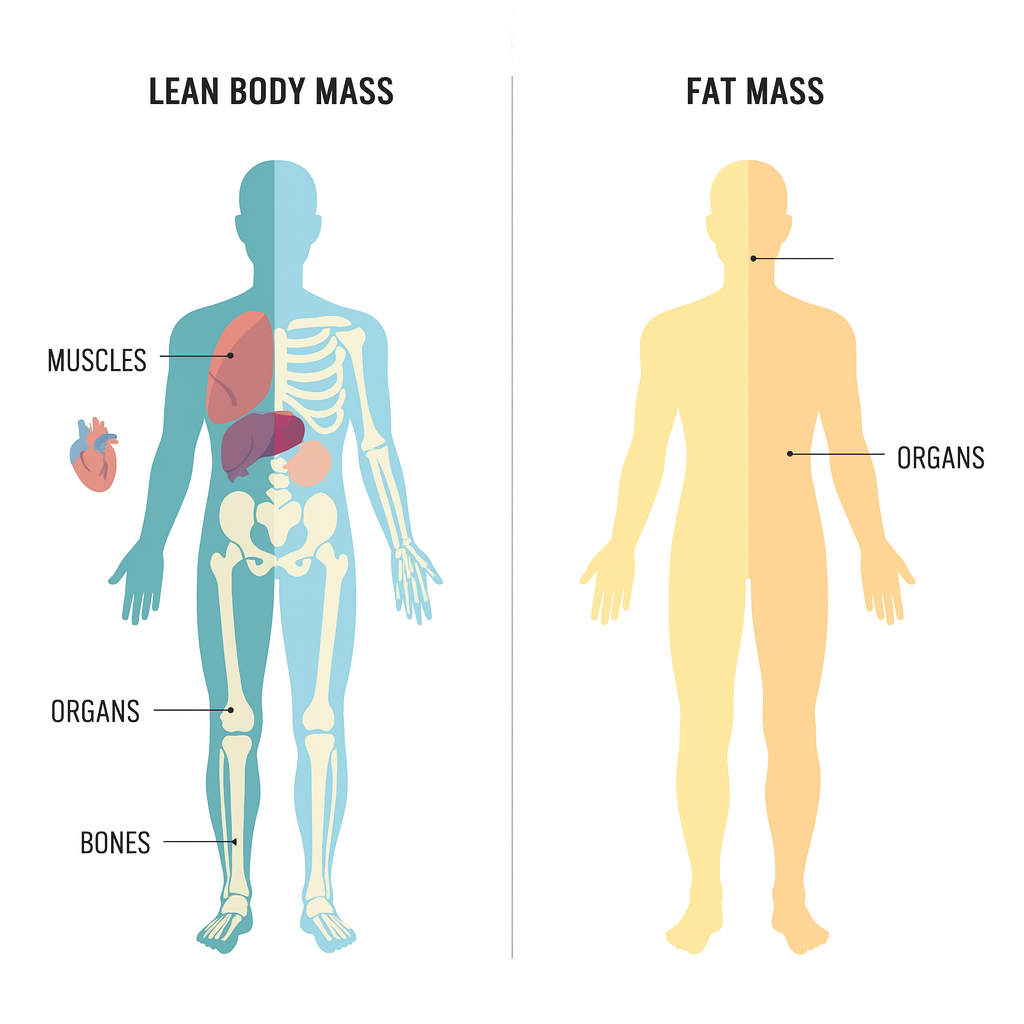
Lean body mass refers to everything in your body except fat. This includes muscles, bones, organs, water, connective tissues, and essential body components that keep you alive and functioning. Among these, muscle mass makes up a large portion of lean body mass and plays a major role in strength, mobility, and calorie usage.
Knowing your lean body mass helps you understand how much of your weight supports physical activity and metabolism. Two people with the same body weight can have very different lean body mass values, which is why LBM is often more meaningful than weight alone.
Why Lean Body Mass Is Important for Your Health
Lean body mass supports many vital body functions. It affects how efficiently your body uses energy, how strong and stable you feel, and how well you perform daily activities.
Higher lean body mass is associated with:
- Better metabolism and energy balance
- Stronger muscles and joints
- Improved posture and movement
- Higher physical endurance
- Reduced risk of injury
- Better long-term health as you age
Low lean body mass, on the other hand, may lead to weakness, fatigue, slower metabolism, and difficulty maintaining a healthy body composition.
Lean Body Mass vs Body Weight
Body weight includes both fat mass and lean mass, which means it does not show how healthy your body composition truly is. Lean body mass gives deeper insight into what your body is made of and how efficiently it works.
For example:
- A physically active person may weigh more due to higher muscle mass but still be very healthy.
- Someone with lower muscle mass and higher fat mass may appear lighter but have lower strength and energy levels.
This is why lean body mass is especially useful for people focused on fitness, health improvement, or long-term weight management.
Factors That Affect Lean Body Mass
Lean body mass is influenced by several factors, including:
Age
As people get older, muscle mass naturally declines if it is not actively maintained. This makes strength training and proper nutrition increasingly important with age.
Gender
Men typically have higher lean body mass due to hormonal differences, but women can also build and maintain strong lean mass with proper exercise and nutrition.
Physical Activity Level
Regular movement, especially strength-based activities, helps preserve and increase lean body mass. A sedentary lifestyle can cause muscle loss over time.
Nutrition
Adequate protein intake and balanced nutrition are essential for building and maintaining lean tissue. Poor diet choices can reduce lean body mass even if body weight stays the same.
Lifestyle Habits
Sleep quality, stress levels, and hydration all influence how well your body maintains lean mass.
How to Improve and Maintain Lean Body Mass

Focus on Strength-Based Exercise
Activities that challenge your muscles encourage lean mass growth and preservation. Examples include:
- Resistance training
- Bodyweight exercises
- Functional movements
- Controlled strength workouts
Consistency matters more than intensity. Even moderate training done regularly can produce strong results.
Eat a Balanced and Supportive Diet

Nutrition plays a key role in lean body mass maintenance. Focus on:
- Sufficient protein intake spread throughout the day
- Whole foods such as vegetables, fruits, whole grains, and healthy fats
- Avoiding extreme calorie restriction
Eating enough to support your activity level helps protect lean tissue.
Stay Physically Active Throughout the Day
In addition to workouts, daily movement helps maintain muscle health. Walking, stretching, and staying mobile support your lean body mass over time.
Prioritize Recovery and Sleep
Muscle maintenance and repair happen during rest. Poor sleep can negatively affect lean mass by disrupting recovery and hormone balance. Aim for consistent, quality sleep each night.
Stay Hydrated
Lean body mass includes a large amount of water. Proper hydration supports muscle function, performance, and overall health.
Lean Body Mass and Long-Term Wellness

Maintaining healthy lean body mass is especially important as you age. Strong muscles and bones help support independence, reduce injury risk, and improve quality of life.
People with adequate lean body mass often experience:
- Better balance and mobility
- Higher daily energy levels
- Greater resistance to physical decline
- Improved confidence and physical comfort
Your lean body mass result should be used as a guide, not a judgment. Small, consistent lifestyle improvements can make a meaningful difference over time.
How to Use Your Lean Body Mass Result Wisely
After calculating your lean body mass:
- Use the result to understand your body composition
- Track changes over time instead of focusing on one number
- Combine results with other health indicators for a complete picture
- Adjust lifestyle habits gradually for sustainable improvement
Lean body mass is not about perfection — it’s about building a strong, functional, and healthy body that supports your daily life.
Final Thoughts
Lean body mass is a powerful indicator of physical strength, metabolic health, and overall well-being. By understanding your result and following healthy habits, you can support your body’s natural strength and function at every stage of life.
Use this calculator as a starting point, stay consistent with healthy choices, and focus on long-term wellness rather than quick results.
👉 Related Health Calculators
- BMI Calculator – Check your Body Mass Index and understand your weight category.
- Daily Calorie Calculator – Estimate how many calories your body needs each day.
- Daily Water Intake Calculator – Find out how much water you should drink daily for optimal hydration.
- BMR Calculator – Calculate your basal metabolic rate.
- Body Fat Percentage Calculator – Estimate your body fat level.
- Ideal Weight Calculator – Discover your healthy weight range.
- Waist-to-Height Ratio Calculator – Assess abdominal fat risk.
Policy & Safety Reminder
This lean body mass calculator offers an estimated value for educational use only and is not medical advice.
Calculations are based on formulas, not medical tests
Results represent general ranges, not exact values
Individual body composition may vary
Seek advice from a health professional for accurate analysis
Use this as a learning tool, not a diagnosis.
FREQUENTLY ASKED QUESTIONS (FAQs)
A Lean Body Mass Calculator estimates the weight of your body excluding fat, including muscles, bones, and organs.
Lean body mass plays a key role in metabolism, strength, and overall physical performance.
It is calculated using body weight, height, gender, and body fat estimates.
No. Lean body mass includes muscle, bone, water, and organs.
Yes. Higher lean mass increases calorie burn even at rest.
Yes. Lean mass often declines with age if muscle is not maintained.
Strength training, proper protein intake, and adequate recovery support lean mass growth.
Every few months or after significant body composition changes.