

Body Fat Percentage Calculator
Estimate your body fat percentage using a scientifically accepted method.
Body Fat Percentage Calculator Guide
What Is Body Fat Percentage?

Body fat percentage refers to the proportion of your total body weight that comes from fat tissue. Unlike body weight alone, this measurement focuses on how your body is composed rather than how heavy you are. Two people can weigh the same but have very different body fat percentages, leading to very different health outcomes.
Knowing your body fat percentage provides deeper insight into your physical condition and helps you understand how much of your body is made up of fat versus lean mass such as muscles, bones, and organs.
Why Body Fat Percentage Matters More Than Weight
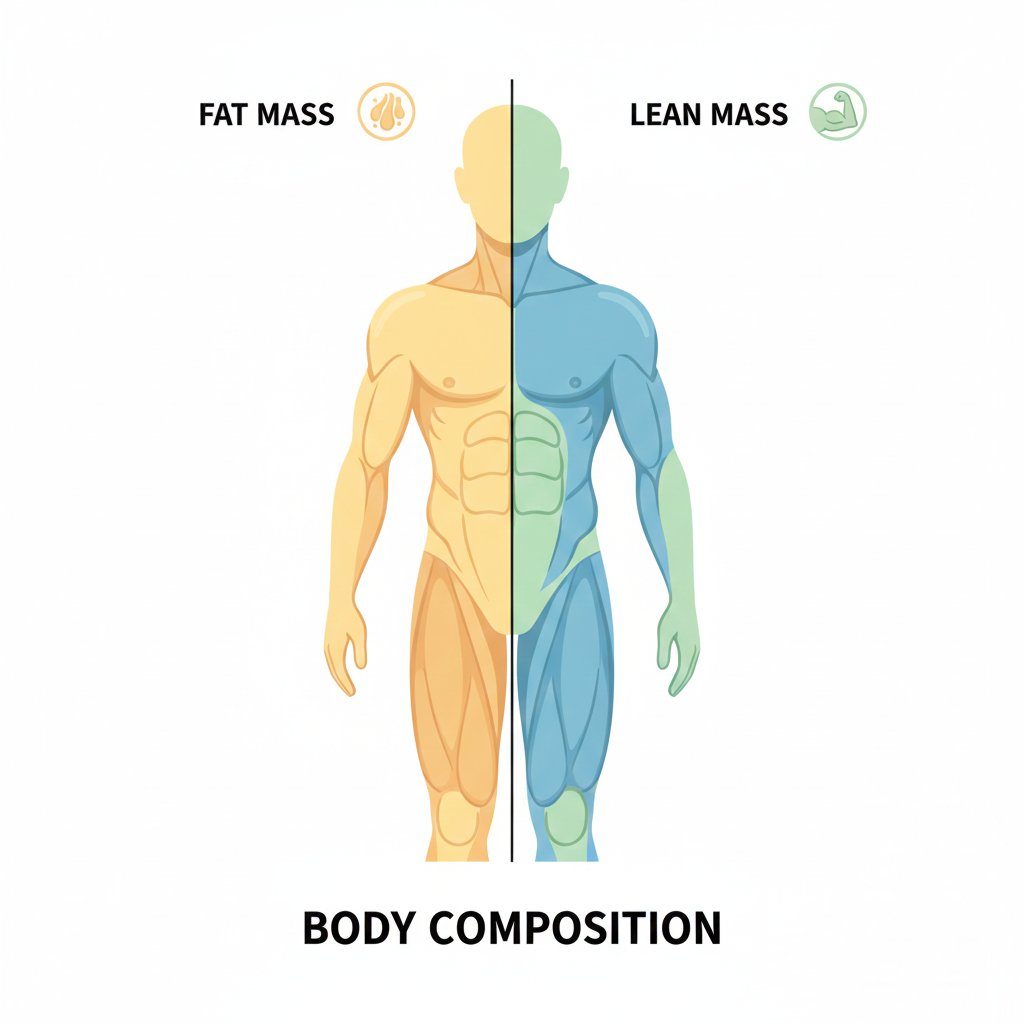
Body weight alone does not tell the full story of your health. Body fat percentage offers a clearer picture because it highlights the balance between fat and lean tissue in your body.
A healthy body fat range is associated with:
- Better heart health
- Improved metabolic function
- Higher energy levels
- Reduced risk of chronic diseases
Excess body fat, especially when stored around the abdomen, can increase the risk of health conditions related to blood pressure, blood sugar regulation, and overall physical performance.
Understanding Fat Distribution in the Body
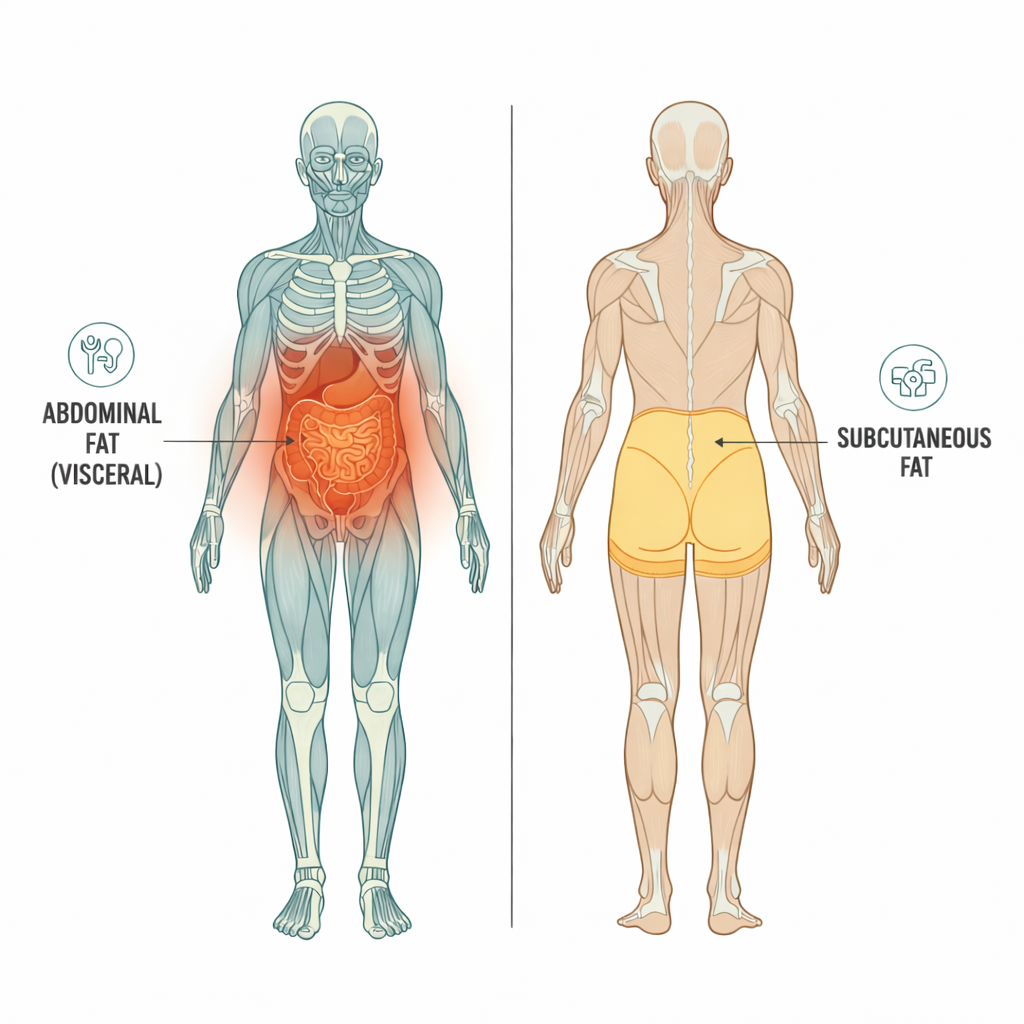
Not all body fat is the same. Your body stores fat in different areas, and where fat is stored matters.
Essential Fat
This fat is necessary for normal body functions. It supports hormone production, protects internal organs, and helps regulate body temperature.
Storage Fat
This fat accumulates under the skin and around internal organs. While some storage fat is normal and healthy, excess amounts can negatively impact health.
Body fat calculators help estimate these proportions to give a more realistic view of your body composition.
Factors That Influence Body Fat Percentage

Several factors can affect your body fat levels:
Gender
Women naturally carry a higher body fat percentage than men due to hormonal and reproductive needs.
Age
Body fat percentage tends to increase with age, especially if muscle mass decreases.
Activity Level
Physically active individuals usually have lower body fat percentages due to increased muscle mass and calorie usage.
Diet and Nutrition
Consistent eating habits, portion control, and food quality strongly influence fat accumulation.
Genetics
Some people are naturally predisposed to store fat in certain areas of the body.
Interpreting Your Body Fat Percentage Result
Once you calculate your body fat percentage, your result typically falls into a category such as:
- Low body fat – Often seen in athletes
- Healthy body fat – Associated with good physical balance
- Moderate body fat – Acceptable but may need improvement
- High body fat – May increase health risks
These ranges help guide lifestyle adjustments rather than serving as strict judgments.
Body Fat Percentage vs. BMI
While BMI focuses on weight relative to height, body fat percentage focuses on composition. This makes body fat percentage more informative in many cases, especially for people with higher muscle mass.
For example:
- Athletes may have a high BMI but low body fat
- Sedentary individuals may have normal BMI but high body fat
Using both measurements together provides a more complete health assessment.
Health Risks of High Body Fat Percentage
Maintaining excessive body fat can affect overall well-being. Higher body fat levels are often linked to:
- Reduced cardiovascular efficiency
- Increased strain on joints
- Lower physical endurance
- Hormonal imbalance
- Slower metabolism
This is why monitoring body fat percentage is helpful for long-term health planning.
Benefits of Maintaining a Healthy Body Fat Range
Keeping body fat within a healthy range supports:
- Improved muscle definition and strength
- Better mobility and flexibility
- Enhanced energy levels
- More efficient metabolism
- Balanced hormone function
It also makes daily activities feel easier and improves overall confidence.
Practical Tips to Improve Body Fat Percentage

Focus on Strength Training
Building muscle helps reduce fat percentage by increasing lean mass.
Maintain Consistent Physical Activity
Daily movement such as walking, stretching, or light exercise supports fat management.
Eat Balanced Meals
Include protein, healthy fats, and fiber-rich foods to support body composition.
Stay Hydrated
Proper hydration helps regulate appetite and energy balance.
Prioritize Rest and Recovery
Adequate sleep supports hormonal balance and fat regulation.
Common Misunderstandings about Body Fat
- “Low body fat is always better”
Extremely low body fat can disrupt normal body functions. - “Spot reduction is possible”
Fat loss occurs throughout the body, not in specific areas only. - “Body fat changes quickly”
Healthy changes take time and consistency.
Using Body Fat Percentage as a Health Guide
Your body fat percentage should be used as a reference point, not a fixed label. Tracking changes over time helps you understand how lifestyle choices affect your body. Small improvements can lead to meaningful long-term health benefits.
Rather than aiming for perfection, focus on progress and sustainability.
Final Thoughts: Build a Healthier Body Composition

Understanding your body fat percentage gives you valuable insight into your overall health. It encourages smarter decisions about nutrition, physical activity, and daily habits. By combining this knowledge with consistency and patience, you can work toward a healthier, stronger, and more balanced body.
Use your body fat result as motivation—not pressure—to adopt habits that support lifelong wellness.
👉 Related Health Calculators
- BMI Calculator – Check your Body Mass Index and understand your weight category.
- Daily Calorie Calculator – Estimate how many calories your body needs each day.
- Daily Water Intake Calculator – Find out how much water you should drink daily for optimal hydration.
- BMR Calculator – Calculate your basal metabolic rate.
- Ideal Weight Calculator – Discover your healthy weight range.
- Lean Body Mass Calculator – Measure your lean mass.
- Waist-to-Height Ratio Calculator – Assess abdominal fat risk.
Policy & Safety Reminder
This body fat calculator gives an approximate estimate and is not medical advice.
Body fat ranges are general guidelines, not diagnoses
Results may differ from clinical measurement tools
Healthy ranges vary by age and gender
Consult a healthcare professional for accurate assessment
Focus on overall health, not just numbers.
FREQUENTLY ASKED QUESTIONS (FAQs)
A Body Fat Percentage Calculator estimates how much of your body weight comes from fat tissue compared to lean mass.
Body fat percentage provides better insight into body composition than weight or BMI alone.
It is estimated using measurements such as weight, height, gender, and body circumferences depending on the formula used.
Healthy ranges vary by gender and age, but maintaining a balanced body fat level supports overall health.
Yes. Body fat percentage offers a more detailed view of body composition compared to BMI.
Yes. Athletes often have higher muscle mass, which can increase BMI without indicating excess body fat.
Yes. Body fat percentage tends to increase with age due to changes in metabolism and muscle mass.
Checking every few months is sufficient unless you are actively changing your fitness routine.