
Ideal Weight Calculator
Calculate your healthy ideal body weight based on gender, height, age, and your current weight.
Ideal Weight Calculator: Complete Guide for a Healthier You

Knowing your ideal body weight is not about chasing perfection or fitting into unrealistic standards. It is about understanding what weight range supports your body’s overall health, energy levels, and long-term well-being. An Ideal Weight Calculator provides a helpful reference point that allows you to evaluate whether your current weight aligns with your height, age, and biological factors.
This guide explains what ideal weight truly means, why it matters, and how you can use your result to make informed, healthy lifestyle decisions.
What Is Ideal Body Weight?
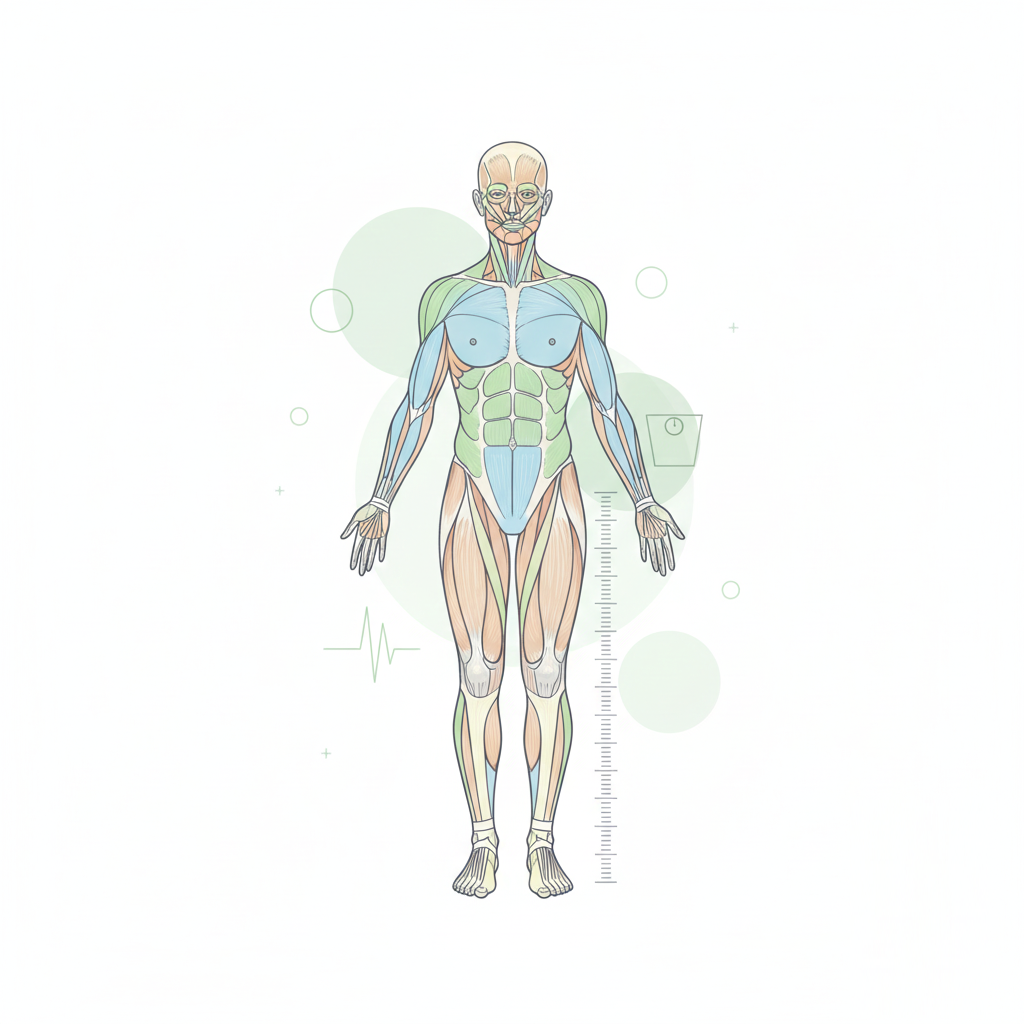
Ideal body weight refers to a weight range where the body functions most efficiently. At this level, the risk of weight-related health concerns is generally lower, and daily activities feel easier and more comfortable.
Rather than focusing on appearance, ideal weight emphasizes balance. It takes into account height, body structure, age, and gender differences to estimate a weight range that supports healthy movement, stable energy, and proper organ function.
Everyone’s body is unique, so ideal weight should be viewed as guidance—not a rigid rule.
Why Knowing Your Ideal Weight Is Important
Understanding your ideal weight helps you:
- Evaluate whether your current weight supports good health
- Recognize potential risks linked to being underweight or overweight
- Set realistic and achievable health goals
- Track long-term progress rather than short-term changes
Maintaining a weight close to your ideal range may reduce stress on joints, support heart health, improve mobility, and contribute to better sleep and daily performance.
Ideal Weight vs Current Weight
Your current weight may be above, below, or within your ideal range—and that’s completely normal. Short-term changes in weight can happen due to hydration levels, food intake, physical activity, or stress.
The key is understanding trends over time rather than reacting to a single number. If your current weight differs from your ideal range, it doesn’t mean something is wrong. It simply offers insight into where adjustments might be beneficial.
Factors That Influence Ideal Weight

Height and Body Structure
Taller individuals naturally require more mass for structural balance, while body frame size (small, medium, or large) can influence what weight feels healthiest.
Age
As people age, muscle mass may decrease and metabolism can slow. This can affect how weight is distributed and how the body responds to food and activity.
Gender Differences
Men and women often carry weight differently due to hormonal and biological differences. These variations influence muscle mass, fat storage, and overall body composition.
Lifestyle and Activity Level
An active lifestyle supports lean muscle development and metabolic health, which may allow some individuals to feel healthiest slightly above traditional averages.
Healthy Weight Is More Than a Number
While ideal weight is a useful reference, it does not measure:
- Muscle mass
- Fat distribution
- Bone density
- Fitness level
Two people with the same height and weight can have very different health profiles. That’s why ideal weight works best when combined with other indicators such as body fat percentage, waist measurements, and physical fitness.
How to Use Your Ideal Weight Result Wisely
If Your Weight Is Within the Ideal Range
- Focus on maintaining balance
- Continue healthy eating habits
- Stay physically active
- Prioritize consistency over perfection
If Your Weight Is Above the Ideal Range
- Aim for gradual, sustainable changes
- Increase daily movement
- Improve food quality rather than extreme restriction
- Focus on long-term habits, not rapid weight loss
If Your Weight Is Below the Ideal Range
- Ensure adequate calorie and nutrient intake
- Strength training can help build healthy mass
- Focus on balanced meals with sufficient protein
- Avoid skipping meals
Practical Tips to Reach and Maintain Ideal Weight

Eat Balanced Meals
Include a mix of:
- Lean proteins
- Whole grains
- Healthy fats
- Fruits and vegetables
Balanced meals support energy levels and reduce overeating.
Stay Physically Active
Regular activity supports metabolism and body composition. Aim for a combination of:
- Daily movement (walking, stretching)
- Strength training
- Light to moderate cardio
Hydration Matters
Proper hydration supports digestion, metabolism, and appetite regulation. Drinking enough water daily helps the body function efficiently.
Manage Stress and Sleep
Chronic stress and poor sleep can affect hormones that regulate hunger and weight. Prioritize rest, relaxation, and quality sleep.
Ideal Weight and Long-Term Health
Reaching your ideal weight is not about short-term change—it’s about creating a lifestyle that you can sustain. Small, consistent improvements often lead to the most meaningful results over time.
By understanding your ideal weight and following healthy habits, you support not only physical appearance but also energy, confidence, and overall quality of life.
Final Thoughts

Your ideal weight result is a guide, not a judgment. Use it as a tool to better understand your body and make informed choices that support long-term health. Every step toward balance—no matter how small—contributes to a healthier and more confident you.
👉 Related Health Calculators
- BMI Calculator – Check your Body Mass Index and understand your weight category.
- Daily Calorie Calculator – Estimate how many calories your body needs each day.
- Daily Water Intake Calculator – Find out how much water you should drink daily for optimal hydration.
- BMR Calculator – Calculate your basal metabolic rate.
- Body Fat Percentage Calculator – Estimate your body fat level.
- Lean Body Mass Calculator – Measure your lean mass.
- Waist-to-Height Ratio Calculator – Assess abdominal fat risk.
Policy & Safety Reminder
This ideal weight calculator provides a general reference range and is not medical advice.
“Ideal weight” varies from person to person
Body shape, muscle mass, and genetics matter
The result is a guideline, not a goal
A doctor or nutritionist can offer personalized guidance
Health is about balance, not a single number.
FREQUENTLY ASKED QUESTIONS (FAQs)
An Ideal Weight Calculator estimates a healthy weight range based on height, gender, and standard medical formulas.
No. Ideal weight varies based on body structure, muscle mass, and overall health.
It is calculated using established formulas that consider height and gender.
No. BMI is a ratio of weight to height, while ideal weight suggests a healthy target range.
Yes. Changes in muscle mass, age, and health can affect ideal weight.
Ideal weight should be viewed as a guideline, not a strict target.
Yes. Men and women have different body composition, which affects ideal weight ranges.
Gradual lifestyle changes including balanced nutrition and regular activity are recommended.