

BMR Calculator
BMR Calculator Guide: Understand Your Body’s Energy Needs
What Is BMR and Why It Matters

Basal Metabolic Rate (BMR) represents the minimum amount of energy your body needs to perform essential life-sustaining functions while at complete rest. These functions include breathing, circulating blood, maintaining body temperature, supporting brain activity, and keeping vital organs working properly.
Even when you are sleeping or resting, your body continues to burn calories to survive. BMR helps you understand how much energy your body requires before you add any physical activity or exercise. Knowing your BMR gives you a strong foundation for managing weight, improving metabolism, and planning a healthier lifestyle.
How Your Body Uses Calories at Rest
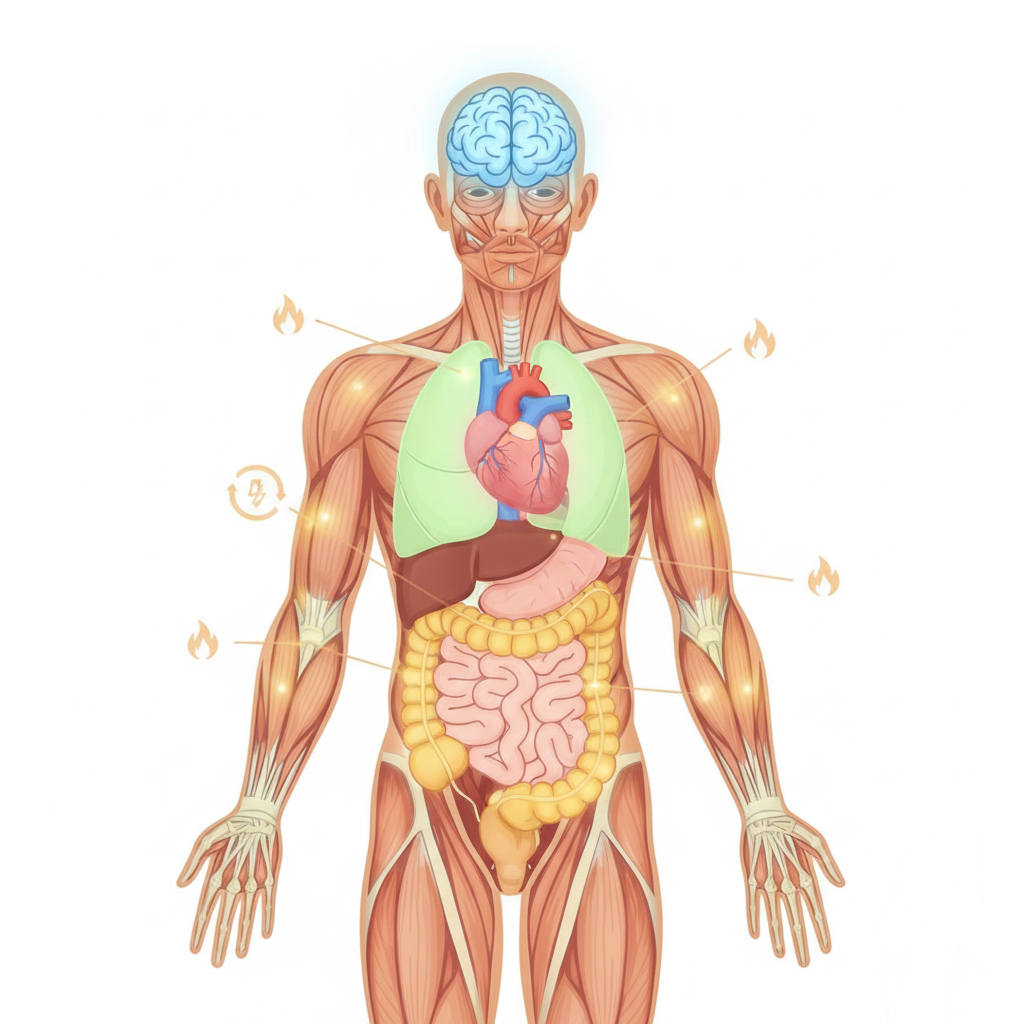
Your body is constantly active internally, even when you feel completely relaxed. A large portion of your daily calorie burn is used for:
- Keeping your heart beating
- Supporting brain and nerve functions
- Maintaining healthy organs
- Regulating hormones
- Repairing cells and tissues
BMR accounts for the largest share of daily calorie usage for most people. This is why understanding your BMR is more important than focusing only on exercise calories.
Factors That Influence Your BMR
Your BMR is unique and influenced by several personal factors:
Age
As you grow older, muscle mass tends to decrease, which can lower BMR. This is why metabolism often slows with age.
Gender
Men generally have a higher BMR than women because they usually have more muscle mass and lower body fat percentage.
Height and Weight
Taller and heavier individuals typically require more energy to maintain their bodies, resulting in a higher BMR.
Body Composition
Muscle tissue burns more calories than fat tissue. People with more lean muscle mass naturally have a higher BMR.
Genetics
Some people are born with naturally faster or slower metabolisms due to genetic factors.
Understanding Your BMR Result
Once you calculate your BMR, the number represents the minimum calories your body needs per day if you were to rest for 24 hours without any activity.
- This is not the number of calories you should eat daily.
- It is the base value used to calculate your total daily calorie needs.
Your actual daily calorie requirement depends on your activity level, lifestyle, and goals.
BMR vs Daily Calorie Needs
BMR only covers basic survival energy. To estimate how many calories you actually need each day, you must consider physical activity.
Your total daily calorie needs increase when you:
- Walk, exercise, or work physically
- Perform household activities
- Engage in workouts or sports
This is why BMR is the starting point, not the final answer.
Using BMR for Weight Management
For Weight Loss
To lose weight safely:
- Consume slightly fewer calories than your total daily needs
- Never eat below your BMR for long periods
- Focus on nutrient-dense foods
Extreme calorie restriction can slow metabolism and harm health.
For Weight Maintenance
To maintain weight:
- Eat calories close to your daily energy needs
- Maintain a balanced diet
- Stay physically active
This helps stabilize metabolism and energy levels.
For Weight Gain
To gain weight or muscle:
- Consume more calories than your daily needs
- Focus on strength training
- Prioritize protein intake
BMR helps ensure weight gain is healthy and controlled.
How Activity Level Changes Calorie Needs

Your activity level plays a major role in how many calories you need beyond your BMR:
- Sedentary lifestyle: Mostly sitting, minimal exercise
- Light activity: Light walking or occasional workouts
- Moderate activity: Regular exercise several times per week
- Active lifestyle: Physically demanding job or daily workouts
Higher activity means higher calorie needs, even if BMR stays the same.
Healthy Tips to Improve Your Metabolism

Build Lean Muscle
Strength training helps increase muscle mass, which naturally raises BMR over time.
Eat Balanced Meals
Include protein, healthy fats, and complex carbohydrates to support metabolic health.
Stay Hydrated
Drinking enough water supports digestion, energy use, and overall metabolism.
Get Quality Sleep
Poor sleep can disrupt hormones that regulate metabolism and appetite.
Avoid Extreme Dieting
Severely low-calorie diets can slow metabolism and cause fatigue.
Common Myths about BMR
- “Low BMR means weight loss is impossible”
Not true. Lifestyle habits play a much bigger role. - “Eating less always speeds weight loss”
Excessive restriction can actually slow metabolism. - “BMR is fixed forever”
Muscle gain, activity level, and habits can influence metabolic rate.
When to Use BMR as a Health Tool
BMR is especially useful when:
- Planning a weight loss or weight gain journey
- Adjusting diet after lifestyle changes
- Understanding energy needs during aging
- Creating long-term health goals
It provides awareness, not strict rules.
Final Thoughts: Use BMR as a Guide, Not a Limit

Your BMR result offers valuable insight into how your body uses energy at rest. It helps you make informed decisions about nutrition, exercise, and lifestyle. Instead of focusing on numbers alone, combine your BMR knowledge with healthy habits, balanced meals, and regular activity.
For best results, use your BMR as a foundation for smarter health choices, not as a restriction. Consistency, patience, and sustainable habits lead to lasting well-being.
👉 Related Health Calculators
- BMI Calculator – Check your Body Mass Index and understand your weight category.
- Daily Calorie Calculator – Estimate how many calories your body needs each day.
- Daily Water Intake Calculator – Find out how much water you should drink daily for optimal hydration.
- Body Fat Percentage Calculator – Estimate your body fat level.
- Ideal Weight Calculator – Discover your healthy weight range.
- Lean Body Mass Calculator – Measure your lean mass.
- Waist-to-Height Ratio Calculator – Assess abdominal fat risk.
Policy & Safety Reminder
This BMR calculator estimates your basic energy needs for educational purposes only and is not medical advice.
BMR is an estimate, not an exact measurement
It does not account for all health conditions
Results are meant for general understanding
A qualified health professional can help interpret results safely
Your body’s needs may change over time.
FREQUENTLY ASKED QUESTIONS (FAQs)
A BMR Calculator estimates your Basal Metabolic Rate, which is the number of calories your body burns at rest to maintain essential functions like breathing and circulation.
BMR is calculated using formulas that consider your age, gender, height, and weight to estimate resting calorie needs.
Knowing your BMR helps you understand your minimum calorie needs and serves as the foundation for calculating daily calorie requirements.
No. BMR represents calories burned at rest, while daily calorie needs also include calories burned through physical activity.
Yes. Higher muscle mass increases BMR because muscle tissue burns more calories than fat tissue.
Yes. BMR typically decreases with age due to loss of muscle mass and hormonal changes.
Yes. Understanding BMR helps you plan calorie intake for weight loss or maintenance more effectively.
You should recalculate if your weight, body composition, or fitness level changes significantly.