

Waist-to-Height Ratio Calculator
This calculator helps assess your health risk based on waist circumference relative to height.
Waist-to-Height Ratio Calculator: Complete Health Guide.
What Is Waist-to-Height Ratio?

Waist-to-Height Ratio (WHtR) is a practical health indicator that focuses on fat distribution, especially around the abdomen. Unlike general weight measurements, this ratio highlights how much fat is stored around your waist in relation to your height.
Excess fat around the waist is closely linked to several long-term health risks. That’s why many health experts consider Waist-to-Height Ratio one of the most meaningful measurements for assessing overall health and metabolic well-being.
Why Waist-to-Height Ratio Matters More Than You Think
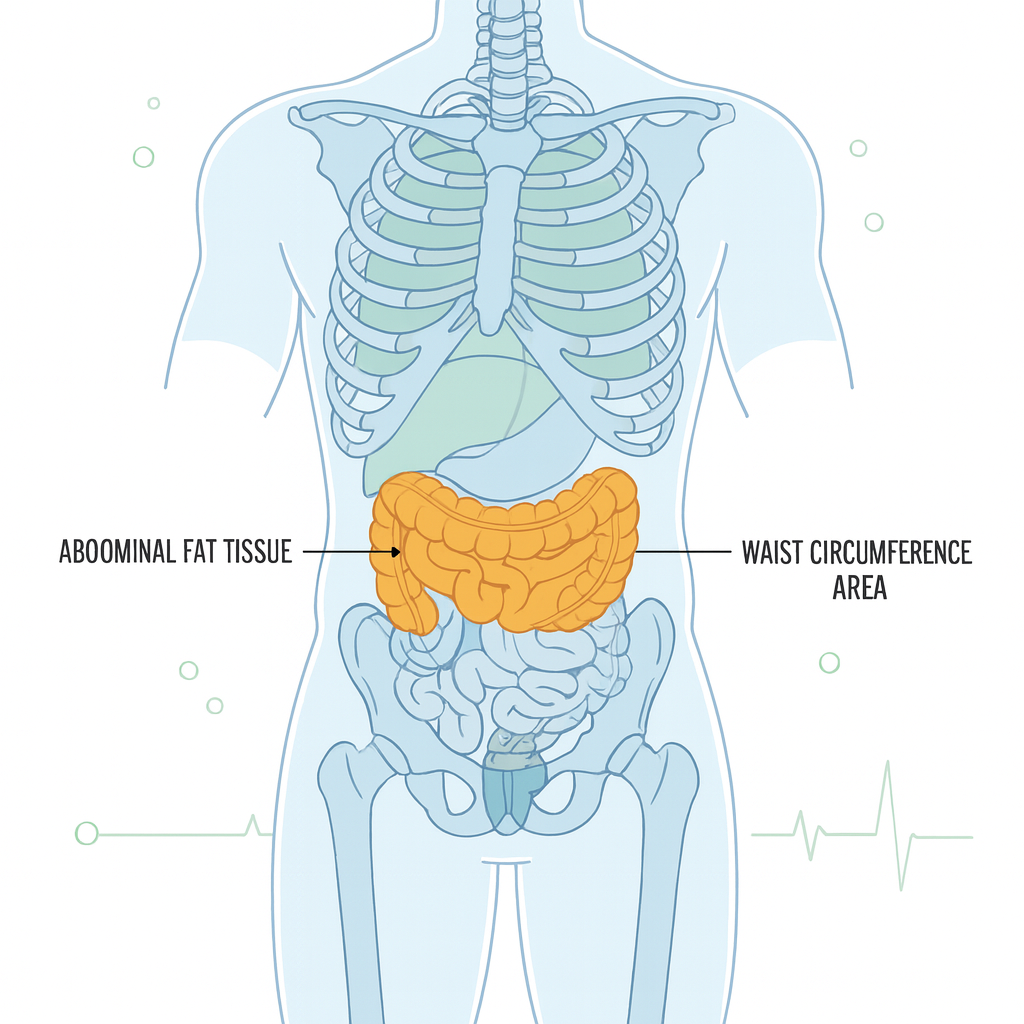
Fat stored around the abdominal area is more metabolically active than fat stored in other parts of the body. This type of fat can influence hormones, blood sugar levels, and inflammation inside the body.
A higher Waist-to-Height Ratio may increase the risk of:
- Heart disease
- Type 2 diabetes
- High blood pressure
- Metabolic syndrome
- Fatty liver disease
By focusing on waist size instead of only body weight, this calculator provides deeper insight into internal health risks, not just appearance.
How to Measure Waist Correctly

For accurate results, proper measurement is essential:
- Stand upright and relax your body.
- Place a measuring tape around your waist at the midpoint between the lowest rib and the top of your hip bone.
- Make sure the tape is snug but not tight.
- Measure after exhaling naturally.
- Avoid measuring over thick clothing.
Your height should be measured standing straight without shoes.
Understanding Your Waist-to-Height Ratio Results
Healthy Range
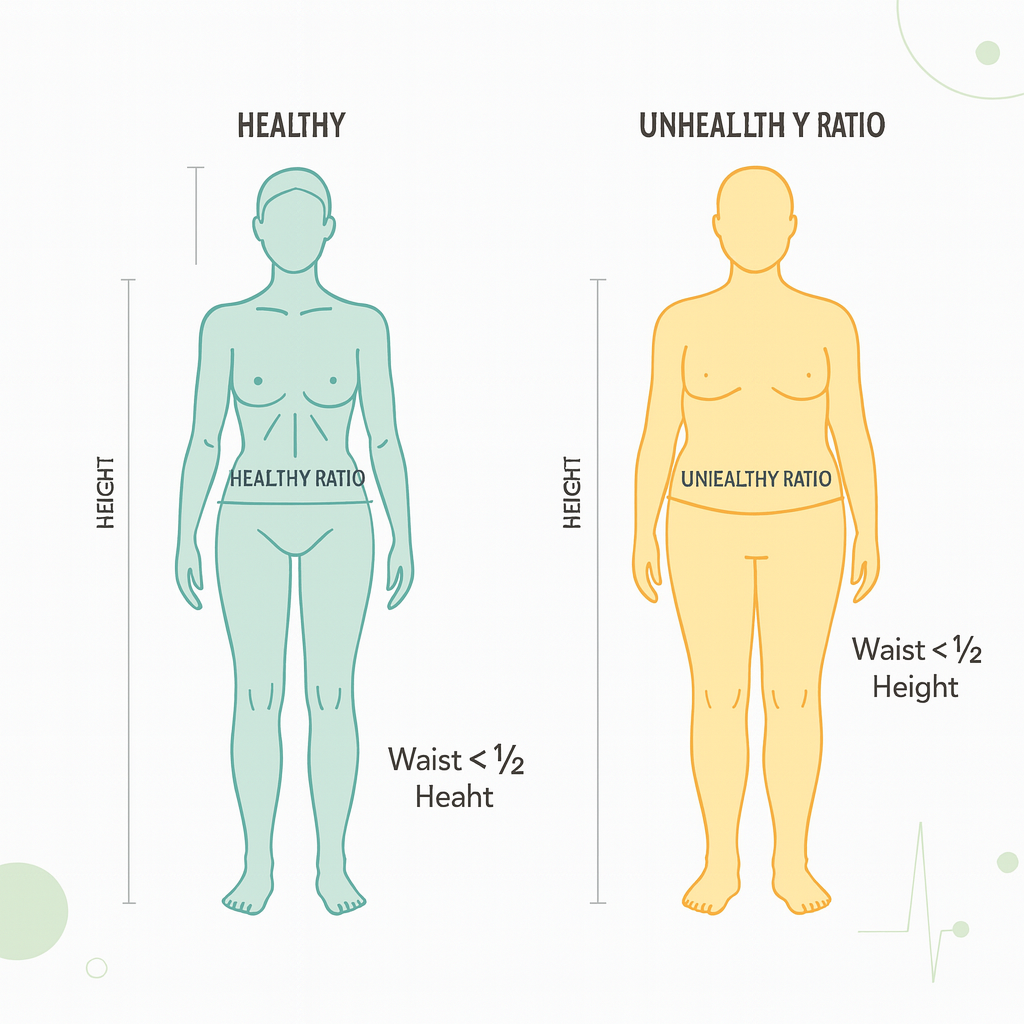
If your waist measurement is less than half of your height, it generally indicates a healthier fat distribution and lower health risk.
Moderate Risk
A waist measurement approaching half your height suggests that fat accumulation may be increasing, and lifestyle adjustments could be beneficial.
High Risk
A waist measurement greater than half your height indicates higher abdominal fat and increased risk of metabolic and cardiovascular conditions.
This ratio applies to both men and women and works well across different body types.
Waist-to-Height Ratio vs Other Health Metrics
Compared to BMI
BMI looks at total body weight but doesn’t show where fat is stored. Waist-to-Height Ratio focuses specifically on abdominal fat, making it more effective for identifying internal health risks.
Compared to Waist Circumference Alone
Waist size alone doesn’t account for height differences. WHtR adjusts waist measurement based on height, offering more accurate comparisons between individuals.
Health Benefits of Maintaining a Healthy Waist-to-Height Ratio
Keeping your waist within a healthy range relative to your height can:
- Improve heart health
- Enhance insulin sensitivity
- Reduce inflammation
- Support better digestion
- Improve posture and mobility
- Boost overall energy levels
Even small reductions in waist size can lead to significant health improvements.
Practical Tips to Improve Your Waist-to-Height Ratio

Focus on Balanced Nutrition
- Prioritize whole foods such as vegetables, fruits, lean proteins, and healthy fats
- Reduce intake of sugary drinks and refined carbohydrates
- Eat mindfully and avoid late-night overeating
Stay Physically Active
- Engage in regular cardiovascular activities like walking, cycling, or swimming
- Include strength training to build muscle and improve metabolism
- Stay consistent rather than focusing on intensity alone
Improve Daily Movement
- Avoid prolonged sitting
- Take short movement breaks during the day
- Increase daily step count
Manage Stress Levels
Chronic stress can increase abdominal fat storage. Practice relaxation techniques such as:
- Deep breathing
- Meditation
- Light stretching
- Adequate sleep
Lifestyle Habits That Support Long-Term Results
- Maintain consistent sleep patterns
- Stay hydrated throughout the day
- Limit alcohol consumption
- Build sustainable routines instead of quick fixes
Healthy changes made gradually are more effective and easier to maintain.
How Often Should You Check Your Waist-to-Height Ratio?
You don’t need to measure daily. Checking every 2 to 4 weeks is sufficient to track progress and make adjustments when necessary.
This calculator is best used as a monitoring tool, not a source of pressure or stress.
Important Notes and Health Awareness
Waist-to-Height Ratio is a valuable screening tool but should be considered alongside other health indicators such as:
- Blood pressure
- Blood sugar levels
- Physical activity habits
- Medical history
If your ratio falls in a higher-risk category, consulting a healthcare professional is always recommended.
Final Thoughts

The Waist-to-Height Ratio Calculator helps you understand more than just numbers — it gives insight into your internal health and lifestyle balance. Small improvements in daily habits can lead to lasting benefits.
Use this tool as a guide to build healthier routines, stay informed about your body, and take proactive steps toward long-term wellness.
👉 Related Health Calculators
- BMI Calculator – Check your Body Mass Index and understand your weight category.
- Daily Calorie Calculator – Estimate how many calories your body needs each day.
- Daily Water Intake Calculator – Find out how much water you should drink daily for optimal hydration.
- BMR Calculator – Calculate your basal metabolic rate.
- Body Fat Percentage Calculator – Estimate your body fat level.
- Ideal Weight Calculator – Discover your healthy weight range.
- Lean Body Mass Calculator – Measure your lean mass.
Policy & Safety Reminder
This waist-to-height ratio calculator provides general health guidance and is not medical advice.
The ratio shows risk ranges, not health conditions
It does not replace professional health screening
Other factors like age and lifestyle also matter
Consult a qualified healthcare professional for proper evaluation
Healthy habits matter more than a single measurement.
FREQUENTLY ASKED QUESTIONS (FAQs)
A Waist-to-Height Ratio Calculator compares your waist circumference to your height to assess fat distribution and health risk.
It helps identify abdominal fat, which is linked to higher health risks.
A ratio below 0.5 is generally considered healthy for most adults.
It can provide better insight into central fat distribution than BMI.
Waist size reflects abdominal fat, which is a key health indicator.
The guideline is similar, but fat distribution patterns differ.
It can be used as a general indicator, but age-specific guidance is recommended.
Recalculate when waist size or weight changes noticeably.