
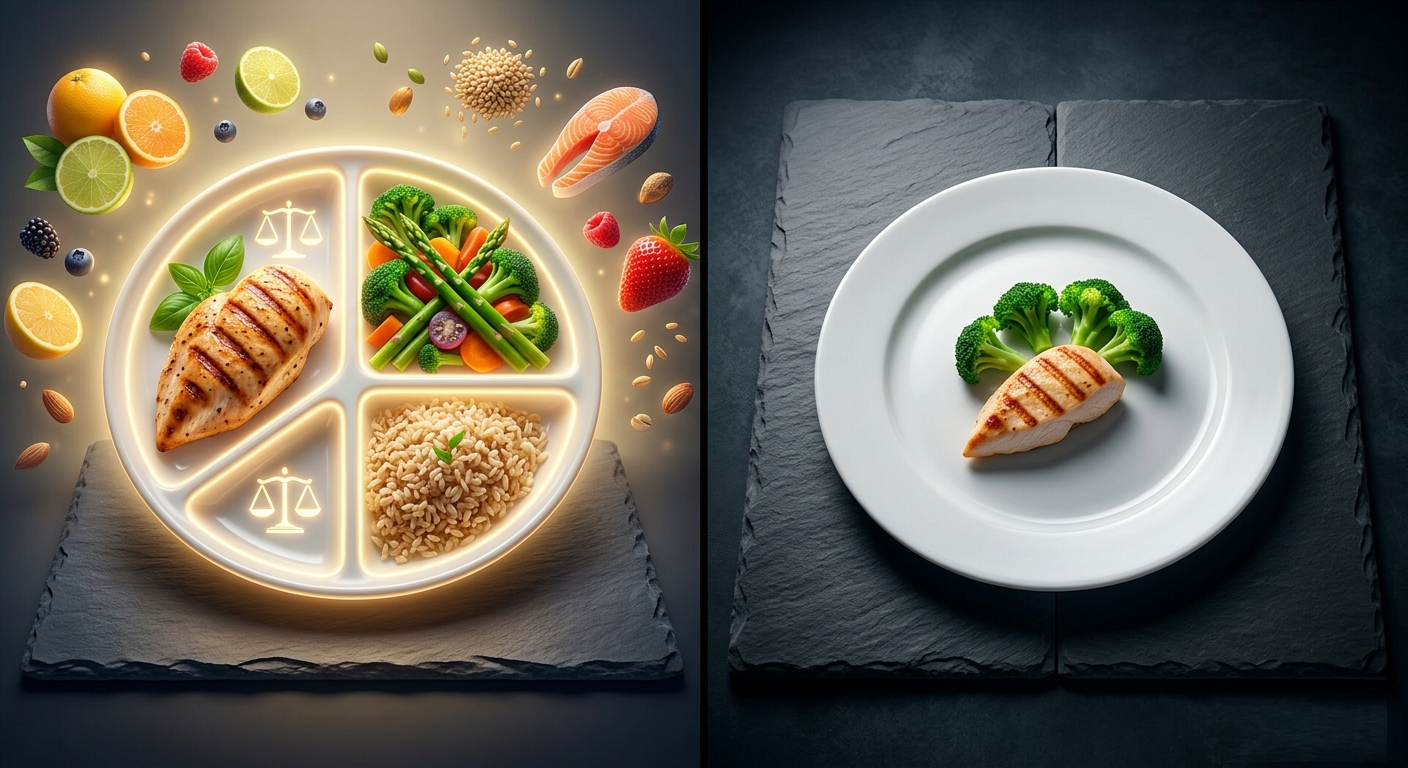
A 1,500-calorie diet plan is one of the most widely recommended strategies for weight loss, but it is also one of the most misunderstood. At its core, it works by creating a calorie deficit, which forces your body to burn stored fat for energy.
But here is the catch. While many people see results, it is not universally safe or effective. So, is this diet actually the “sweet spot” for weight loss, or just another overhyped trend?
Let’s break down how it works, what you should eat, and how to follow it safely without risking your health.
Understanding the 1,500-Calorie Diet Plan and How It Works
The 1,500-calorie diet plan is a structured eating approach where daily energy intake is capped at 1,500 calories. This typically creates a calorie deficit, which is essential for weight loss.
How the Science Works
- Weight loss occurs when you consume fewer calories than your body burns.
- According to research, a 500 to 750 calorie daily deficit can lead to gradual weight loss of about 0.5 to 1 kg per week.
- A 1,500-calorie intake is often lower than average daily needs, especially for sedentary individuals.
According to nutrition research, low-calorie diets ranging between 1,000 to 1,500 calories are commonly used for weight loss strategies.
Why 1,500 Calories?
- It is considered a moderate restriction, not an extreme crash diet.
- Often suitable for:
- Women with moderate activity levels
- Individuals with lower calorie requirements
- May be too low for active individuals or many men
Key Factors That Influence Results
Your results depend on:
- Age
- Gender
- Weight and height
- Physical activity level
- Metabolic rate (TDEE)
What to Eat on a 1,500-Calorie Diet (Food Framework)
A successful 1,500-calorie diet plan is not just about eating less. It is about eating better.
Nutrient-Dense Foods to Prioritize
- Lean proteins: chicken, fish, eggs, tofu
- Whole grains: brown rice, oats, quinoa
- Fruits and vegetables: high in fiber and micronutrients
- Healthy fats: nuts, seeds, olive oil
Foods to Limit
- Added sugars
- Processed snacks
- Refined carbs such as white bread and pastries
- High-sodium packaged foods
Experts emphasize that nutrient quality matters as much as calorie quantity for sustainable weight loss.
Sample 1-Day 1,500-Calorie Meal Plan
Here is a realistic, dietitian-style example of what a balanced day might look like:
Breakfast (approximately 350 calories)
- Avocado and vegetable omelet
- Green tea or black coffee
Lunch (approximately 400 calories)
- Roasted vegetable salad with lean protein
- Olive oil-based dressing
Dinner (approximately 500 calories)
- Zucchini noodles with shrimp or grilled chicken
- Side of mixed greens
Snacks (approximately 250 calories total)
- Apple with cinnamon
- Carrot sticks with hummus
Daily Nutritional Highlights:
- Protein: approximately 75 to 80 grams
- Fiber: approximately 30 grams
- Balanced carbohydrates and healthy fats
This type of plan emphasizes satiety, helping reduce hunger while maintaining nutrition.
Benefits of a 1,500-Calorie Diet Plan
1. Supports Gradual Weight Loss
- Encourages a steady fat loss rate rather than rapid, unsustainable drops
2. Improves Portion Awareness
- Helps build long-term eating habits
3. Encourages Whole Foods
- Focus on minimally processed foods improves overall health
4. Flexible and Adaptable
- Can be customized for different cuisines and preferences
Risks and Limitations You Should Know
While effective, the 1,500-calorie diet plan is not risk-free.
Potential Downsides
- May lead to:
- Fatigue
- Nutrient deficiencies
- Muscle loss if protein intake is low
- Not ideal for:
- Athletes
- Pregnant or breastfeeding individuals
- People with certain medical conditions
Health experts caution that overly aggressive calorie restriction can disrupt metabolism and hormone balance.
Warning Signs of Over-Restriction
- Constant hunger
- Dizziness or fatigue
- Poor concentration
- Rapid weight loss
How to Follow the Diet Safely (Expert-Backed Tips)
1. Calculate Your Calorie Needs First
Use your Total Daily Energy Expenditure (TDEE) to ensure 1,500 calories is appropriate.
2. Focus on Nutrient Density
Do not waste calories on low-nutrient foods.
3. Prioritize Protein and Fiber
- Helps you stay full longer
- Supports muscle retention
4. Stay Physically Active
- Aim for 150 minutes of moderate exercise weekly
5. Avoid Extreme Deficits
- Severe calorie cuts can backfire and slow metabolism
6. Think Long-Term
- Sustainability matters more than speed
Is the 1,500-Calorie Diet Right for You?
The answer depends on your body and lifestyle.
It May Work If You:
- Need moderate calorie restriction
- Prefer structured eating plans
- Can maintain consistency
It May Not Work If You:
- Have high energy demands
- Feel constantly fatigued
- Need a more flexible intake
According to dietary guidance, the best diet is one you can maintain consistently over time.
Final Insight: A Balanced Perspective
The 1,500-calorie diet meal plans sits in a practical middle ground. It is structured enough to drive results, yet flexible enough to adapt. However, it is not a universal solution.
From a research perspective, sustainable weight loss is less about hitting a specific calorie number and more about:
- Consistency
- Nutrient quality
- Lifestyle alignment
In other words, 1,500 calories can work, but only if it works for you.