

The concept of a calorie deficit has taken over weight loss conversations again in 2026. From social media to fitness communities, everyone seems to be talking about it. But here is the problem. While the idea is simple, most people are applying it incorrectly.
At its core, a calorie deficit means consuming fewer calories than your body burns. This forces your body to use stored fat for energy, leading to weight loss. However, experts warn that misunderstanding this concept can lead to stalled progress, fatigue, and even long-term metabolic issues.
So why is such a basic principle being misused so widely? And what does science actually say about doing it the right way?

Calorie Deficit Explained, Why It Works and Where People Go Wrong
The calorie deficit is based on the principle of energy balance. Your body requires energy to function, and that energy comes from the calories you consume.
The Science Behind It
- Total Daily Energy Expenditure (TDEE) includes:
- Basal metabolic rate
- Physical activity
- Thermic effect of food
- When calorie intake is lower than TDEE, the body compensates by using stored fat
According to research, a daily deficit of around 500 calories is commonly associated with gradual and sustainable weight loss.
Despite this straightforward mechanism, the way people implement a calorie deficit often creates problems.

The Biggest Mistakes People Make With a Calorie Deficit
Understanding the errors is key to understanding why the trend is resurging with mixed results.
1. Cutting Calories Too Aggressively
Many people assume that eating as little as possible will accelerate results.
However:
- Extreme deficits can slow metabolism
- Energy levels drop significantly
- Muscle loss becomes more likely
Experts warn that overly restrictive diets can trigger adaptive metabolic responses, making weight loss harder over time.
2. Ignoring Nutritional Quality
Not all calories are equal in how they affect the body.
A diet high in:
- Processed foods
- Added sugars
- Low-protein meals
can lead to:
- Increased hunger
- Poor nutrient intake
- Reduced satiety
Even within a calorie deficit, poor food choices can limit progress.
3. Overestimating Calorie Burn
Many individuals rely on fitness trackers or rough estimates for calorie expenditure.
This often leads to:
- Eating more than intended
- Canceling out the deficit
According to reports, calorie burn estimates can vary significantly from actual energy expenditure.
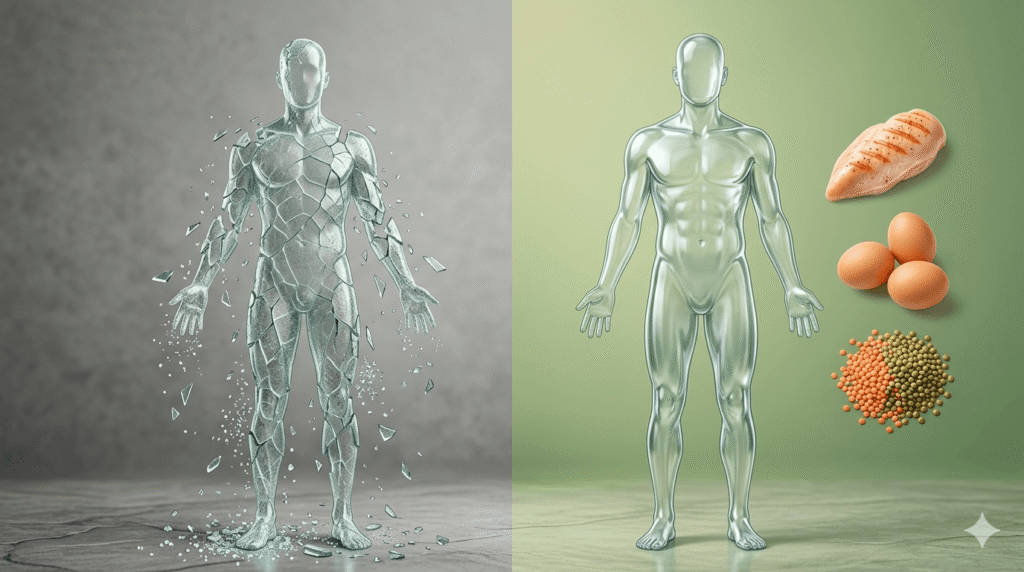
4. Neglecting Protein and Muscle Preservation
A calorie deficit without sufficient protein intake can result in:
- Loss of lean muscle mass
- Slower metabolism
Maintaining muscle is critical because it directly influences how many calories your body burns at rest.
5. Lack of Consistency
Short bursts of strict dieting followed by overeating can disrupt progress.
This pattern:
- Eliminates the calorie deficit
- Creates psychological stress
- Reduces long-term success rates
What Experts Recommend Instead

The renewed attention on calorie deficits in 2026 is not about rejecting the concept. It is about refining how it is applied.
1. Aim for a Moderate Deficit
A sustainable approach typically includes:
- A deficit of 300 to 500 calories per day
- Gradual weight loss rather than rapid drops
This reduces the risk of metabolic slowdown and supports consistency.
2. Prioritize Nutrient-Dense Foods
Focus on foods that provide maximum nutrition per calorie:
- Vegetables and fruits
- Lean proteins
- Whole grains
- Healthy fats
These foods help maintain energy levels and reduce hunger.
3. Combine Diet With Physical Activity
Exercise enhances the effectiveness of a calorie deficit.
Benefits include:
- Increased calorie expenditure
- Preservation of muscle mass
- Improved overall health
Health guidelines commonly recommend at least 150 minutes of moderate activity per week.
4. Track Progress, Not Just Calories
Weight is only one indicator of progress.
Other important markers include:
- Body composition
- Energy levels
- Strength improvements
According to research, focusing solely on scale weight can lead to misleading conclusions about progress.
5. Focus on Long-Term Sustainability
The most effective calorie deficit is one you can maintain over time.
Sustainable habits include:
- Consistent meal patterns
- Balanced food choices
- Realistic expectations
Calorie Deficit vs Popular Diet Trends
The resurgence of the calorie deficit concept is partly due to confusion created by competing diet trends.
| Approach | Focus | Advantage | Limitation |
| Calorie deficit | Energy balance | Scientifically proven | Requires consistency |
| Keto diet | Low carbohydrates | Rapid initial weight loss | Hard to sustain |
| Intermittent fasting | Eating window control | Simple structure | Not suitable for all |
| Detox diets | Short-term restriction | Quick results | Not sustainable |
From a research standpoint, most diets work because they create a calorie deficit, not because of unique mechanisms.
Why the Trend Is Resurfacing in 2026
The renewed popularity of the calorie deficit is tied to several factors:
1. Shift Toward Evidence-Based Fitness
People are increasingly questioning fad diets and returning to scientifically supported methods.
2. Social Media Simplification
The concept is easy to explain and widely shared, even if often oversimplified.
3. Focus on Sustainable Health
There is growing awareness that long-term results matter more than quick fixes.
The Future of Weight Loss: Smarter Deficits
Modern research is moving beyond basic calorie counting.
Emerging approaches include:
- Personalized calorie targets based on metabolism
- Integration of wearable technology
- Focus on behavioral psychology
Analysts suggest that future weight loss strategies will combine data, personalization, and sustainable habits.
Practical Framework: How to Apply a Calorie Deficit Correctly
To implement a calorie deficit effectively, focus on simple and consistent actions.
Daily Guidelines
- Eat balanced meals with protein, fiber, and healthy fats
- Avoid extreme calorie restriction
- Stay physically active
- Monitor portion sizes
Weekly Strategy
- Plan meals ahead of time
- Adjust calorie intake gradually
- Track progress holistically
- Maintain consistency
Final Perspective: It Is Not About Eating Less, It Is About Doing It Right
The resurgence of the calorie deficit highlights a key truth. The principle itself is not flawed, but its application often is.
Sustainable weight loss comes from understanding how your body responds to food, maintaining balance, and avoiding extremes. When done correctly, a calorie deficit remains one of the most reliable strategies for achieving long-term results.