
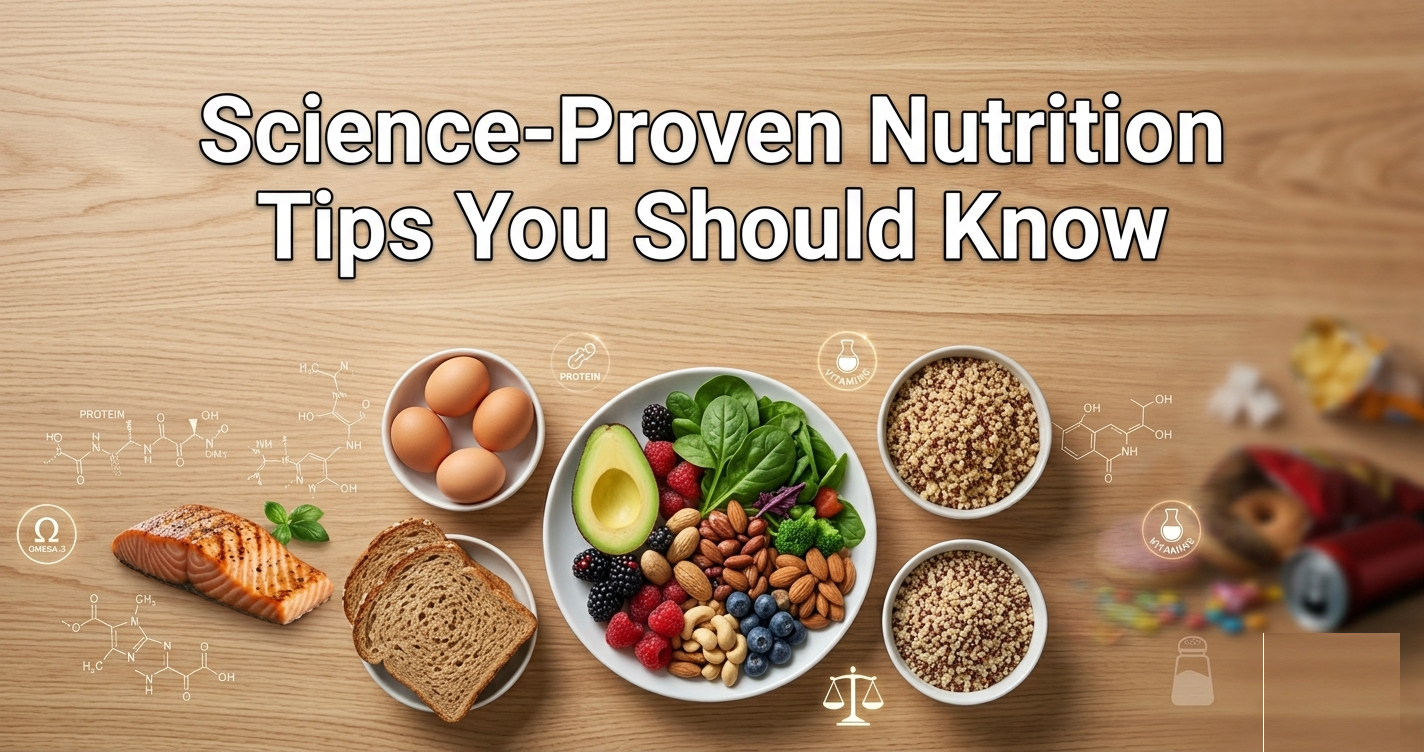
When it comes to healthy eating, confusion is everywhere. Diet trends come and go, but some truths remain consistent. The top 10 nutrition facts backed by science reveal what experts still agree on despite evolving research.
Here is the reality. Not all calories are equal, sugar is more harmful than many realize, and nutrient deficiencies are more common than expected.
So what should you actually believe? These evidence-based nutrition facts cut through the noise and highlight what truly matters for long-term health.
Top 10 Nutrition Facts Backed by Science That Everyone Should Know
Understanding these science-backed nutrition facts helps build a foundation for better eating habits and smarter lifestyle choices.
1. Added Sugar Is One of the Biggest Health Risks
Excessive sugar consumption is strongly linked to:
- Obesity
- Type 2 diabetes
- Heart disease
According to health research, diets high in added sugar can disrupt metabolism and increase fat storage. Sugary drinks, in particular, are considered a major contributor to weight gain.
According to nutrition experts, reducing added sugar is one of the most effective ways to improve overall health.

2. Not All Calories Are Created Equal
While calorie balance matters, the quality of calories is equally important.
- 100 calories from vegetables affect your body differently than 100 calories from processed snacks
- Whole foods provide fiber, vitamins, and satiety
This is why two diets with the same calorie count can produce very different results.
3. Omega-3 Fats Are Essential for Brain and Heart Health
Omega-3 fatty acids, especially DHA and EPA, play a critical role in:
- Brain function
- Heart health
- Reducing inflammation
Fatty fish such as salmon and mackerel are among the best sources.
Reports suggest that many people do not consume enough omega-3 fats, which may impact long-term health.
4. Artificial Trans Fats Are Extremely Harmful
Artificial trans fats have been widely recognized as harmful and are associated with:
- Increased risk of heart disease
- Inflammation
- Poor cholesterol levels
Many countries have restricted or banned their use due to these health risks.
5. Vegetables Are Among the Most Nutrient-Dense Foods
Vegetables provide:
- Vitamins and minerals
- Antioxidants
- Fiber
Leafy greens, cruciferous vegetables, and colorful produce are particularly beneficial for disease prevention and overall wellness.
6. Vitamin D Deficiency Is Surprisingly Common
Despite its importance, vitamin D deficiency remains widespread globally.
- It plays a role in bone health, immune function, and mood regulation
- Limited sun exposure contributes to low levels
According to studies, a significant portion of the population does not meet optimal vitamin D levels.
7. Refined Carbohydrates Can Harm Metabolic Health
Refined carbs such as white bread and sugary cereals are quickly digested and can cause:
- Blood sugar spikes
- Increased hunger
- Fat accumulation over time
Whole grains, on the other hand, provide sustained energy and better nutrient profiles.
8. Protein Intake Supports Muscle and Metabolism
Protein is essential for:
- Building and maintaining muscle
- Supporting metabolism
- Controlling appetite
Higher protein intake has been linked to improved weight management and reduced cravings.
9. No Single Diet Works for Everyone
Nutrition is highly individual. Factors such as:
- Genetics
- Lifestyle
- Activity level
influence how your body responds to different diets.
Experts emphasize personalized nutrition rather than a one-size-fits-all approach.
10. Whole Foods Are the Foundation of Healthy Eating
One of the most consistent findings in nutrition science is this:
- Whole, minimally processed foods are better for health
- Diets rich in natural foods are linked to lower disease risk
This includes fruits, vegetables, lean proteins, whole grains, and healthy fats.
Quick Overview Table: Science-Backed Nutrition Principles
| Nutrition Fact | Key Benefit | Risk if Ignored |
| Limit added sugar | Better metabolic health | Obesity, diabetes |
| Eat whole foods | Improved nutrient intake | Nutrient deficiencies |
| Consume omega-3s | Heart and brain health | Inflammation |
| Avoid trans fats | Healthy cholesterol levels | Heart disease |
| Prioritize vegetables | Disease prevention | Poor immunity |
Why These Nutrition Facts Still Matter Today
Nutrition science continues to evolve, but these core principles remain consistent across studies.
From a research perspective, the emphasis has shifted toward long-term sustainability rather than short-term dieting. Experts increasingly highlight:
- Balanced eating patterns
- Nutrient density over calorie counting
- Lifestyle-based approaches
At the same time, modern challenges such as processed food consumption and sedentary lifestyles make these foundational facts even more relevant.
How to Apply These Nutrition Facts in Daily Life
Understanding the top 10 nutrition facts backed by science is only useful if you apply them.
Practical Steps
- Replace sugary drinks with water or unsweetened beverages
- Add vegetables to every meal
- Choose whole grains over refined carbs
- Include healthy fats like nuts and fish
- Maintain balanced portions
Simple Habit Framework
- Focus on food quality first
- Build meals around whole ingredients
- Avoid extreme or restrictive diets
- Stay consistent rather than perfect
Final Perspective: Science Over Trends
While diet trends will continue to change, these science-backed nutrition facts provide a stable foundation for healthy eating.
The bigger picture is clear. Long-term health is not built on quick fixes but on consistent, informed choices.
By focusing on nutrient-dense foods, reducing harmful ingredients, and understanding your individual needs, you can create a sustainable approach to nutrition that actually works.